
Heavy-Duty Ute Canopy with Drawers – Durable & Practical
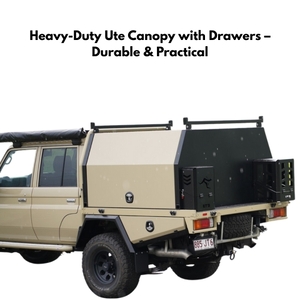
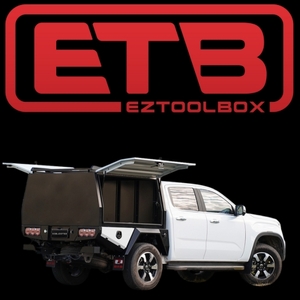
When I first started using my ute for both work and weekend adventures, I quickly realised that storage was a constant headache. Tools were scattered across the tray, gear shifted around on bumpy roads, and I wasted far too much time searching for the right equipment. That’s when I decided to invest in a heavy-duty ute canopy with drawers. From the moment I installed it, everything changed. Suddenly, my tools and gear had their own place, they were secure, and I could access them easily without climbing into the tray or unpacking everything.
Over time, I’ve learned that not all canopy drawers are created equal. Material quality, drawer slides, load ratings, and fitment all make a huge difference in durability and practicality. I’ve tried different setups, and the systems that combine heavy-duty aluminium construction with lockable, full-extension drawers have consistently given me the best results. Whether I’m on a busy job site, heading off-road, or simply organising my camping gear, the right canopy system saves me time, protects my equipment, and keeps everything within easy reach.
Why I Chose a Heavy-Duty Ute Canopy with Drawers
In this post, I want to share exactly what I look for, how I use my setup, and what makes it a smart investment for anyone with a ute.
1. Hook & Problem Statement
If I’m working from my ute — whether I’m hauling gear for a job or carrying recovery equipment on a 4×4 trip — I already know how much of a pain it is to dig around in a messy tray, chase down tools lost inside a canopy, or deal with gear shifting on rough roads. That’s why I invested in a heavy‑duty ute canopy with drawers. With it, I stay organised, my gear is protected, and I’m always ready. Let me explain what I learned, what to look for, and how it works in real‑world use.
2. Why this Setup Matters
2.1 Efficiency on‑site
With a dedicated canopy drawer system, I’ve found that everything has its place. I pull up, open my canopy, slide out organised drawers, and get straight to work. No more rummaging around. This saves me time — which means I can be productive and stress-free.
2.2 Gear protection & security
On job sites or off‑road, dust, vibration, and weather are constant. I’ve seen how a good canopy drawer system keeps tools secure and prevents damage from constant shifting. For example, I use an aluminium drawer unit rated with 227 kg lockable slides — it really holds up under daily use.
2.3 Versatility for trade & adventure
These systems aren’t just for tradies like me. Campers, overlanders, and mobile businesses all benefit. I’ve turned my ute into a mobile tool-shop with modular drawers inside my canopy, and I can store everything safely. From my own experience, heavy‑duty drawers with one-piece non-removable runners and higher load ratings are perfect for storing work equipment and bulky items like straps, cables, tools, or camping gear.
3. Key Features I Look For (so my setup is durable & practical)
Here are the features I focus on when choosing a heavy‑duty canopy drawer setup.
3.1 Material & Build Quality
-
Aluminium, ideally 2.5 mm plate or heavier, TIG‑welded with folded edges for strength.
-
I make sure the canopy shell is fully welded, with minimal flex, and dust/water resistant. Some manufacturers even offer lifetime workmanship warranty on 3 mm aluminium shells.
-
I check that the slides and mounts are robust: locks, full extension runners, and high load rating (100+ kg+) are essential. For example, I’ve used dual‑drawer systems with 127 kg lockable slides.
3.2 Drawer System & Access
-
Full‑extension drawers are a must because I need to access items at the back without crawling inside.
-
Lockable latches keep everything secure when I’m driving or away from the vehicle.
-
Slide-out tables or benches integrate seamlessly with drawers. I have a unit with a sliding table plus drawer rated to 220 lbs, which I use often.
3.3 Load Rating & Fit‑for‑Purpose
-
I always calculate my weight: if I carry heavy gear like toolboxes, recovery kits, or a fridge, I make sure the drawers can handle it. One system I use supports 227 kg.
-
Fit is important: wide canopies suit dual‑drawer systems. I’ve used one with dimensions 1000 W x 800 D x 210 H.
-
Modular design matters to me, so I can upgrade with more drawers, a table, or a fridge slide later.
3.4 Installation & Vehicle Compatibility
-
I ensure the drawer system fits my vehicle’s tray and canopy perfectly. Some manufacturers list sizes for single, dual, and extra cab vehicles.
-
I consider weight impact on my vehicle suspension and load limits.
-
Mounting method is important: I prefer bolt‑in systems because they offer flexibility if I change my vehicle.
3.5 Maintenance & Longevity
-
Weather-sealed drawers and durable materials prevent rust and corrosion, especially in humid or coastal areas where I work or travel.
-
Smooth drawers with sealed bearings reduce maintenance.
-
Warranty and product support are important; I choose systems with at least a 12‑month warranty on tray bodies and drawers.
4. Use‑Case Scenarios & Case Studies
4.1 My Tradie Vehicle Setup
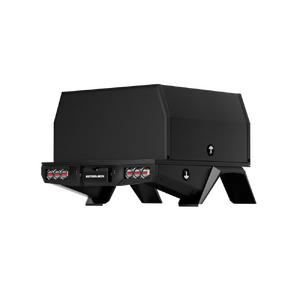
I mounted a heavy‑duty aluminium canopy drawer system on my dual‑cab ute. I carry hand tools, power tools, reels of cable, and consumables. I organise everything: one drawer for cables, one for tools, and one for consumables like screws and anchors. With a load rating of 227 kg, I never worry about over-stressing the system.
Here’s what I’ve noticed:
-
I save time fetching tools, which is huge on busy days.
-
My gear stays in place even on rough roads.
-
My vehicle looks organised and professional at every job site.
4.2 Overland/Camper Setup
I also take my ute off-road. I use a full-width heavy-duty canopy drawer system for recovery gear like straps and shackles, camping kitchen items, and tools. I chose aluminium drawers thick enough for off-road use and a slide-out table for cooking or repairs. The sliding table can handle 220 lbs.
This setup allows me to:
-
Keep all my gear locked and dust-free when driving.
-
Pull out the table easily for cooking or gear prep.
-
Add side boxes or a fridge slide later for more modular storage.
4.3 Mixed Trade & Personal Use
I even designed a custom drawer unit for my canopy. I stored no more than 50‑75 kg in each drawer using 2.5 mm aluminium sheet and heavy-duty 227 kg drawer slides. I learned that considering materials, load, and durability is key, and a DIY mindset can pay off if you mix trade and personal use.
5. Frequently Asked Questions
Q1: Will adding drawers reduce my tray space?
Yes — the drawer system takes up volume inside the canopy. But I’ve found that good designs place drawers low and leave top space for longer items. I always check if the drawer height will interfere with ladders or long tools.
Q2: How much weight can I safely carry?
It depends on your vehicle load rating, tray/canopy strength, and drawer specs. Many systems list load ratings like 227 kg. I always choose a system that handles my heaviest expected load plus a safety margin.
Q3: Are aluminium drawers strong enough for rough roads?
Yes — provided the build is strong. I use 2.5 mm+ plate, TIG welding, and proper slides. The units I have are designed for rough terrain, high temperatures, and daily job-site demands.
Q4: Can I customise later?
Yes — modular designs let you add extra drawers, tables, or fridge slides. I recommend thinking ahead about upgrades.
Q5: What about security and weather-proofing?
Lockable drawers, weather seals, and durable materials (like powder-coated aluminium) keep everything safe. I value water and dust resistance and always check for warranty on workmanship.
6. Step‑by-Step How I Choose & Implement
-
Define my primary use: trade, camping, or mixed.
-
Measure my tray/canopy space: width, depth, height available.
-
Estimate required capacity: weight of gear plus future additions.
-
Check material & build quality: aluminium vs steel, plate thickness, welding.
-
Check drawer specs: load rating, slide type, lockability, number of drawers.
-
Consider installation: ease of fit, vehicle compatibility, load rating.
-
Think modularity & upgrades: Will I need more space later?
-
Budget & ROI: Trade savings or lifestyle utility.
-
Choose brand/installer: warranty, support, user feedback.
-
Plan for maintenance: Clean dust, check slides, keep seals intact.
7. Common Mistakes I Avoid
-
Under-rating load capacity: I never overload drawers.
-
Ignoring vehicle’s load limits: I account for canopy + drawers + gear.
-
Poor fitment: I measure carefully so I don’t lose space or functionality.
-
Neglecting weather-seals: Water ingress is a big issue if ignored.
-
Not planning access: Drawers must be easy to reach.
-
Fixing in permanently: I prefer bolt-in systems so I can move them if needed.
8. Why I Think It’s a Smart Investment
-
For tradie fleets: Less wasted time, fewer lost tools, better presentation.
-
For mobile service vehicles: Organised storage equals quicker access and higher productivity.
-
For active lifestyle / outdoors: Gear is protected, ready-to-go, and my vehicle becomes more flexible.
-
Over time: A high-quality system will outlast multiple vehicles, especially if modular.
9. Final Thoughts
If you’re serious about transforming your ute’s storage into a durable, practical, heavy-duty setup, I recommend a well-designed canopy with drawers. By focusing on material quality, load capacity, fitment, and accessibility, I created a vehicle that’s ready-for-work or ready-for-adventure, with my gear secure and organised.
Investing upfront in the right system Ute Canopy has saved me hassle, increased my efficiency, and made my vehicle far more useful whether I’m working or heading off-grid.