Aluminium Tray With Toolbox vs Separate Toolbox: Pros and Cons (2026)
TL;DR
Choosing between an integrated aluminium tray with toolbox versus a separate toolbox setup depends on your budget, storage needs, and how you use your ute day to day. This guide breaks down the aluminium tray with toolbox vs separate toolbox pros and cons, covering cost, flexibility, weight distribution, and long-term practicality for tradesmen and everyday ute owners.
Quick Answer
An aluminium tray with a built-in toolbox offers a streamlined, factory-fitted look with better weight distribution and typically lower overall cost, while a separate toolbox setup provides more flexibility, since it can be removed, upgraded, or relocated independently of the tray. The right choice depends on whether you prioritise a permanent, integrated solution or the ability to reconfigure your ute's storage over time.
Introduction
For Australian ute owners, especially tradesmen who rely on their vehicle for daily work, storage configuration is one of the most important decisions when setting up a tray. Two common approaches dominate the market: an aluminium tray with a toolbox built directly into the design, or a standard flat tray paired with a separate, standalone toolbox.
Both setups have loyal supporters, and both come with genuine trade-offs. Some owners swear by the clean, integrated look and structural benefits of a combined unit, while others prefer the flexibility of being able to swap or reposition a separate toolbox as their needs change.
This guide walks through the aluminium tray with toolbox vs separate toolbox pros and cons in detail, helping you decide which setup makes the most sense for your vehicle, budget, and work requirements.
What Is an Aluminium Tray With Toolbox
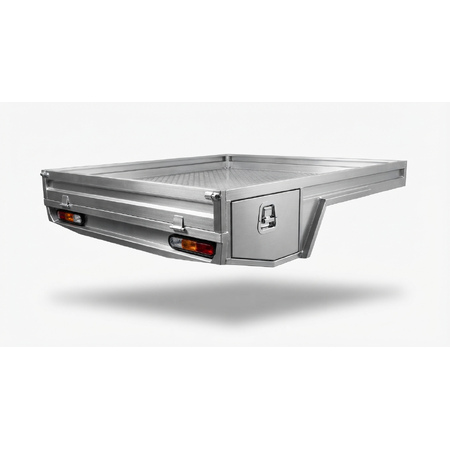
An integrated aluminium tray with toolbox combines the flat load-carrying surface and storage compartment into a single manufactured unit. The toolbox is typically built into the headboard area or side rails, creating a seamless, factory-style appearance.
This design is popular among tradesmen who want a clean, professional look without visible gaps or mismatched components. Because the toolbox is engineered as part of the tray structure, it often integrates more smoothly with the vehicle's overall design.
What Is a Separate Toolbox Setup
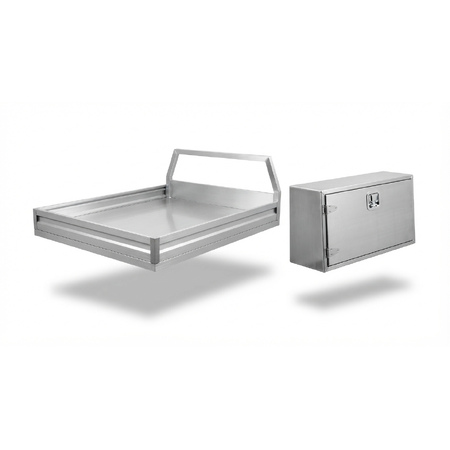
A separate toolbox setup involves purchasing a standard flat aluminium tray and then adding one or more standalone toolboxes afterward, either mounted to the tray or positioned within the tray space.
This approach gives owners more control over exactly where storage is placed, how much capacity they need, and whether they want to change the configuration later. Separate toolboxes come in various styles, including under-tray, side-open, and top-open options, giving buyers significant flexibility in how they build out their storage system.
Pros of an Aluminium Tray With Toolbox
Streamlined, Professional Appearance
One of the biggest draws of an integrated tray and toolbox combination is the clean, cohesive look it provides. Since the toolbox is designed as part of the tray from the outset, there are no visible mounting brackets, gaps, or mismatched finishes.
For tradesmen who use their ute for client-facing work, this polished appearance can contribute to a more professional overall presentation.
Better Weight Distribution
Integrated units are typically engineered with weight distribution in mind from the design stage. This can result in more balanced load handling compared to bolting on a separate toolbox after the fact, particularly when the toolbox is positioned toward the front of the tray near the headboard.
Often More Cost-Effective Overall
Purchasing a combined tray and toolbox unit is frequently more affordable than buying a tray and a separate toolbox individually, since manufacturers can streamline production and materials when building them as one unit.
Simplified Installation
Because the toolbox comes pre-integrated, installation is generally more straightforward. There's no need to separately measure, mount, and secure an additional toolbox once the tray itself is installed.
Cons of an Aluminium Tray With Toolbox
Limited Flexibility
Once a toolbox is built into the tray, it's far more difficult to remove, relocate, or upgrade later. If your storage needs change over time, an integrated design offers little room for adjustment without significant modification.
Fixed Storage Capacity
The size and configuration of the built-in toolbox is set at the time of manufacturing. Owners who later need more storage space, or a different toolbox style, may find themselves stuck with a setup that no longer suits their needs.
Repair Complexity
If damage occurs to either the tray or the toolbox section, repairs can be more complicated since the two components aren't independent. Depending on the extent of the damage, this can sometimes mean replacing more of the unit than would be necessary with a separate setup.
Pros of a Separate Toolbox Setup
Maximum Flexibility
A separate toolbox can be repositioned, upgraded, or replaced without affecting the tray itself. This makes it easier to adapt your storage setup as your work requirements evolve over time.
Customisable Storage Configuration
Owners can choose from a wide range of toolbox styles and sizes, mixing and matching different options to create a storage layout tailored specifically to their tools and equipment.
Easier Individual Repairs
If a toolbox becomes damaged, it can typically be repaired or replaced independently without needing to address the tray itself, which can simplify maintenance and reduce repair costs in certain situations.
Ability to Add Storage Gradually
Rather than committing to a full setup upfront, owners can start with a basic tray and add toolboxes over time as budget allows, spreading out the investment.
Cons of a Separate Toolbox Setup
Less Cohesive Appearance
Separate components, even well-matched ones, rarely achieve the same seamless look as an integrated unit. Visible mounting hardware or slight variations in finish can be noticeable compared to a factory-style combined design.
Potentially Higher Total Cost
When purchased separately, a quality tray plus one or more toolboxes can end up costing more in total than an equivalent integrated unit, particularly if premium toolbox options are selected.
More Complex Installation
Mounting a separate toolbox requires additional measuring, positioning, and securing work, which can mean more time and, in some cases, additional installation costs if done professionally.
Weight Distribution Considerations
Since separate toolboxes are added after the tray design is finalised, achieving optimal weight distribution requires more careful planning compared to units engineered together from the start.
Which Option Is Right for You
Deciding between these two approaches largely comes down to how you use your ute and how likely your storage needs are to change over time.
Tradesmen who want a clean, professional appearance and are confident in their long-term storage requirements often lean toward an integrated tray with toolbox. This option suits those who value simplicity, cost-efficiency, and a polished finish without needing future flexibility.
On the other hand, owners who anticipate changing needs, whether due to evolving work requirements, seasonal equipment changes, or a preference for building out their setup gradually, often find a separate toolbox arrangement better suited to their situation.
Budget also plays a role. If minimising upfront cost while maintaining a clean look is the priority, an integrated unit often makes more financial sense. If you're willing to invest more over time in exchange for greater customisation, a separate toolbox setup may be worth the additional cost.
Practical Considerations Before Deciding
Beyond the core pros and cons, a few additional factors are worth considering before making a final decision.
Think about how your vehicle is used day to day. Tradesmen carrying heavy, specialised equipment may benefit from the engineered weight distribution of an integrated unit, while those with lighter, more varied tool requirements might appreciate the adaptability of separate toolboxes.
Consider resale value as well. Some buyers in the used ute market specifically look for integrated tray and toolbox setups due to their clean appearance, while others prefer the flexibility of a blank tray they can customise themselves.
Finally, consult with a reputable tray and canopy supplier who can walk through your specific use case. Experienced fitters can often provide practical insights based on similar setups they've built for other tradesmen in your industry.
Real-World Scenarios Where Each Option Shines
Looking at how different tradesmen actually use their utes can help clarify which setup makes more practical sense for specific work situations.
Electricians and plumbers, for example, often carry a fairly consistent set of specialised tools and equipment day to day. For this type of predictable, repeat use, an integrated aluminium tray with toolbox can work particularly well, since the storage layout rarely needs to change once it's been set up correctly.
Builders and contractors, on the other hand, frequently deal with varying job requirements, sometimes needing extra capacity for larger equipment on certain projects and less on others. This variability often makes a separate toolbox arrangement more appealing, since components can be added, removed, or rearranged as project demands shift.
Recreational and 4WD touring owners represent another distinct use case. Many prefer separate toolboxes paired with additional accessories like fridge slides, water tanks, or camping gear storage, since this modular approach allows for a highly customised setup tailored to specific touring needs rather than committing to a fixed configuration.
Fleet vehicles used across multiple drivers or changing job types also tend to benefit from the adaptability of separate toolbox systems, since standardising a flexible setup across a fleet is often easier than committing every vehicle to an identical integrated configuration.
Common Mistakes to Avoid
Regardless of which setup you choose, a few common mistakes can undermine the overall effectiveness of your storage solution.
Overloading either configuration beyond its rated capacity is one of the most frequent issues, often leading to premature wear, compromised handling, or in some cases, safety concerns. Always check the manufacturer's weight ratings before loading your tray and toolbox setup.
Failing to plan for future needs is another common oversight, particularly with integrated units. Since these are harder to modify later, it's worth thinking carefully about your likely storage requirements over the next several years, not just your current situation.
Choosing based on price alone, without considering long-term durability or how well a setup matches your actual work patterns, can also lead to dissatisfaction down the line. Taking the time to evaluate your specific needs upfront tends to produce better long-term results than making a rushed decision based purely on upfront cost.
Conclusion
There's no universally "better" option when weighing the aluminium tray with toolbox vs separate toolbox pros and cons. Each approach offers genuine advantages depending on your priorities, whether that's a streamlined appearance and cost efficiency, or long-term flexibility and customisation.
Taking the time to consider your specific work requirements, budget, and how your storage needs might evolve will help guide you toward the setup that best fits your ute and your business. Whichever direction you choose, working with an experienced supplier ensures the final result meets both your practical and aesthetic expectations.
FAQs
Is an aluminium tray with toolbox more expensive than a separate toolbox setup? Generally, an integrated unit tends to be more cost-effective than purchasing a tray and separate toolbox individually, though this can vary depending on the specific toolbox options chosen.
Can I upgrade a separate toolbox later without replacing the tray? Yes, one of the main advantages of a separate toolbox setup is the ability to upgrade or replace the toolbox independently of the tray.
Which option offers better weight distribution? Integrated tray and toolbox units are typically engineered with weight distribution in mind from the design stage, though separate setups can achieve similar balance with careful planning.
Is a built-in toolbox harder to repair than a separate one? Repairs to an integrated unit can be more complex since the components aren't independent, whereas a separate toolbox can usually be repaired or replaced on its own.
Which setup is better for resale value? This varies by buyer preference. Some used ute buyers prefer the clean look of an integrated setup, while others value the flexibility of a blank tray they can customise to their own needs.