Aluminium vs Fibreglass Ute Canopy: Which Is Better?
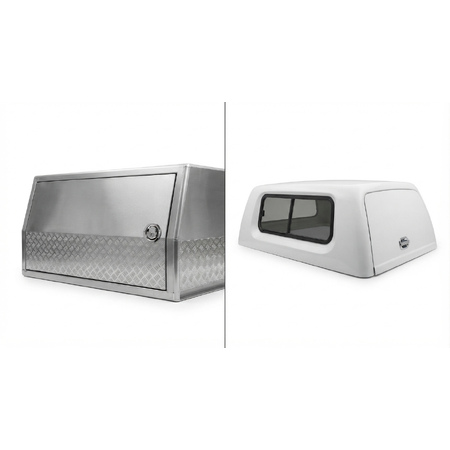
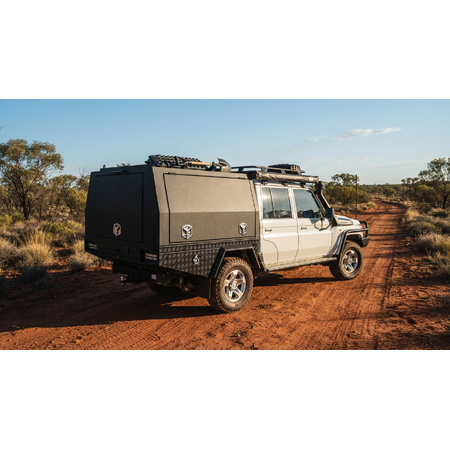
TL;DR
Aluminium ute canopies are stronger, more durable, and better suited to heavy-duty work and harsh Australian conditions, while fibreglass canopies are lighter, quieter, and often more affordable upfront. The right choice depends on how you use your ute, whether that's daily tradie work, off-road touring, or occasional weekend trips. This guide compares both materials across durability, weight, cost, maintenance, and customisation to help you make an informed decision.
Quick Answer
Aluminium ute canopies generally outperform fibreglass canopies in strength, impact resistance, and long-term durability, making them the preferred choice for tradies, fleet vehicles, and off-road use. Fibreglass canopies are lighter and often cheaper to buy initially, with a smoother finish and quieter ride, but they can crack under heavy impact and are harder to repair. For most Australian work and touring applications, aluminium is the more practical long-term investment, though fibreglass remains a solid option for lighter-duty or budget-conscious buyers.
Introduction
Choosing between an aluminium and a fibreglass canopy is one of the most common decisions ute owners face when upgrading their vehicle. Both materials have loyal followings, and both show up constantly in trade, camping, and 4x4 setups across Australia.
The problem is that most comparisons online focus on marketing claims rather than practical differences. Manufacturer websites tend to highlight the strengths of whichever material they sell, without giving buyers a balanced view of the trade-offs involved.
This guide breaks down how each material actually performs in real-world conditions, from job sites to outback tracks, so you can match your choice to your actual needs rather than marketing language alone.
We'll cover strength, weight, cost, maintenance, noise, and customisation options, along with guidance on which material suits which type of user. By the end, you should have a clear, practical framework for making this decision with confidence.
Aluminium vs Fibreglass Ute Canopy: The Core Difference
The main distinction between these two options comes down to how the material behaves under stress. Aluminium is a metal, so it flexes and dents rather than cracking outright. Fibreglass is a composite material, meaning it holds its shape well but can crack or shatter under sharp impact.
This single difference explains most of the practical trade-offs buyers face. Understanding it makes the rest of the comparison much easier to follow, since almost every other factor, from repair costs to weight distribution, traces back to this basic structural behaviour.
Durability and Strength
How Aluminium Performs
Aluminium canopies are known for their strength-to-weight ratio. A well-built aluminium canopy can absorb impacts from branches, tools, or minor collisions without failing structurally. Even if the surface dents, the canopy typically remains functional and weatherproof.
This makes aluminium a strong choice for tradies who load and unload tools daily, or for off-road drivers who need a canopy that can handle rough tracks and unexpected knocks.
How Fibreglass Performs
Fibreglass canopies are rigid and hold their shape well under normal use. However, they are more prone to cracking under sharp or concentrated impact, such as a falling branch or a heavy object shifting during transport.
Once cracked, fibreglass repairs can be more involved than simply straightening a dent, often requiring specialised patching and refinishing to restore both appearance and water resistance.
Weight Comparison
Weight is one of the biggest differentiators between these two canopy types, and it directly affects your vehicle's payload capacity.
Fibreglass is generally lighter than aluminium, which can be an advantage for utes that are already close to their GVM (Gross Vehicle Mass) limit. A lighter canopy leaves more capacity for tools, water, camping gear, or passengers.
Aluminium, while heavier in some builds, has improved significantly with modern manufacturing techniques. Many aluminium canopies now use thinner, reinforced panels that reduce weight while maintaining strength, narrowing the gap between the two materials.
Cost Considerations
Upfront cost is often the deciding factor for budget-conscious buyers. Fibreglass canopies are frequently positioned at a lower price point, making them appealing for occasional users or those upgrading on a tighter budget.
Aluminium canopies typically carry a higher upfront cost due to material and fabrication complexity. However, this cost is often offset by longer service life, easier repairs, and better resale value, which matters for tradies and fleet operators who plan to use their setup for years.
When comparing prices, it's worth factoring in total cost of ownership rather than just the initial purchase price. A cheaper canopy that needs replacing sooner may end up costing more over time.
Maintenance and Repairs
Maintenance requirements differ meaningfully between the two materials, and this often influences long-term satisfaction.
Aluminium canopies are relatively low-maintenance. Dents can often be repaired without replacing panels, and the material doesn't degrade from UV exposure the way some composites can over time. Powder coating also helps protect against corrosion in coastal or humid environments.
Fibreglass canopies require a bit more care to maintain their appearance, particularly regarding UV exposure, which can cause fading or surface degradation over years of sun exposure. Cracks and chips need prompt attention to prevent water ingress, which can otherwise damage stored equipment.
Noise and Ride Comfort
Noise levels inside the cabin can be affected by canopy material, especially at highway speeds or on rough roads.
Fibreglass tends to produce less road noise and vibration compared to aluminium, since the material naturally dampens sound better. This can make a noticeable difference on long trips or when carrying sensitive equipment.
Aluminium canopies can transmit more vibration and rattle, particularly on rough roads, though many manufacturers now include internal lining, rubber seals, and reinforced mounting points to reduce this effect significantly.
Customisation and Fit-Out Options
For tradies and adventurers who need internal fit-outs, canopy material can affect how easily shelving, drawers, and racking systems can be installed.
Aluminium canopies generally offer more flexibility for internal modifications. The material is easier to drill, weld, and reinforce, which makes it well-suited for custom drawer systems, roof racks, and mounting points for accessories like jerry can holders or water tanks.
Fibreglass canopies can still be fitted out, but modifications often require more careful planning since the material doesn't handle drilling and structural changes as easily as aluminium.
Weather Resistance and Sealing
Both materials can be engineered to be weatherproof, but the sealing systems used play a bigger role than the base material itself.
Aluminium canopies commonly use rubber door seals, whale tail compression locks, and precision-welded joints to keep dust and moisture out, even in harsh outback conditions. Fibreglass canopies also use quality seals, but the composite structure can be more vulnerable to water ingress if cracks develop over time.
For buyers in remote or dusty regions of Australia, this is a factor worth discussing directly with your canopy supplier, since sealing quality can vary between manufacturers regardless of material.
Lifespan and Resale Value
Long-term ownership costs are worth considering alongside the upfront price. A well-maintained aluminium canopy can often last well beyond a decade of regular use, particularly when properly powder-coated and sealed against corrosion.
This longevity tends to support stronger resale value, since buyers in the second-hand market often view aluminium builds as more durable investments. Fibreglass canopies can also last many years with careful use, but visible cracking, fading, or previous repairs can reduce resale appeal more noticeably than surface dents on an aluminium equivalent.
For owners planning to sell or upgrade their ute within a few years, factoring in resale value alongside the purchase price can change which option makes more financial sense overall.
Which One Should You Choose?
The right choice ultimately comes down to how you use your ute day to day.
If you're a tradie who loads and unloads tools constantly, drives on rough job sites, or needs a setup built for years of heavy use, an aluminium canopy is generally the more practical option. Its durability, repairability, and fit-out flexibility make it well-suited to demanding work environments.
If you're a weekend traveller, occasional camper, or someone prioritising a quieter ride and lower upfront cost, a fibreglass canopy may suit your needs just as well, provided it's treated carefully and not subjected to heavy daily impact.
Many buyers also find it helpful to physically inspect both options in person before deciding, since build quality can vary significantly between manufacturers regardless of material.
Real-World Use Case Scenarios
To make this comparison more practical, it helps to look at a few common scenarios Australian ute owners actually face.
A tradie running a busy job site five days a week, loading heavy tools and equipment repeatedly, will usually get more long-term value from a durable, easily repaired build that can handle daily wear without constant touch-ups. This scenario tends to favour the heavier-duty option over a lighter, more delicate structure.
A weekend camper who occasionally tows a trailer and drives mostly on sealed roads may prioritise a quieter cabin and lower purchase price over maximum impact resistance, since their setup faces less daily stress.
A remote touring enthusiast heading into dusty, corrugated outback terrain will likely value strong sealing, weather resistance, and the ability to handle unexpected knocks from rocks or branches along the track.
Matching your canopy choice to scenarios like these, rather than general marketing claims, tends to produce better long-term satisfaction with your setup.
Common Mistakes to Avoid
When comparing canopy materials, some buyers focus only on price without considering their actual use case. A cheaper fibreglass canopy might seem appealing upfront, but if it's used for heavy-duty trade work, the long-term repair costs could outweigh the initial savings.
Another common mistake is ignoring payload limits. Adding a heavier canopy without checking your vehicle's GVM can lead to compliance issues and safety concerns, particularly when combined with tools, water tanks, or camping gear.
Finally, some buyers overlook the importance of proper installation. Even the best canopy material won't perform well if it's poorly fitted or lacks proper sealing and mounting reinforcement.
Conclusion
Both aluminium and fibreglass ute canopies have genuine strengths, and neither material is universally "better" for every buyer. Aluminium tends to win out for durability, repairability, and heavy-duty use, while fibreglass offers a lighter, quieter, and often more budget-friendly alternative for lighter-duty applications.
Before making a decision, it's worth considering your typical driving conditions, payload requirements, and long-term plans for your vehicle. Consulting with an experienced canopy supplier can also help you weigh these factors against your specific ute model and intended use.
FAQs
1. Is aluminium or fibreglass better for a ute canopy? Aluminium is generally better for heavy-duty use and durability, while fibreglass suits lighter use, quieter rides, and tighter budgets.
2. Are fibreglass canopies cheaper than aluminium? Yes, fibreglass canopies are often cheaper upfront, though aluminium may offer better long-term value due to durability and repairability.
3. Which canopy material is quieter on the road? Fibreglass canopies typically produce less road noise and vibration compared to aluminium, especially at highway speeds.
4. Can aluminium canopies be repaired if dented? Yes, aluminium canopies can often be repaired without full panel replacement, since dents don't compromise structural integrity the way cracks in fibreglass can.
5. Which canopy is better for off-road and 4x4 use? Aluminium is generally preferred for off-road and 4x4 applications due to its impact resistance and ability to handle rough terrain and unexpected knocks.
If you're still unsure which material fits your setup, it's worth requesting quotes for both options and comparing them against your actual use case, budget, and vehicle's payload capacity before making a final decision.