Aluminium vs Steel Ute Canopy: Which One Is Better?
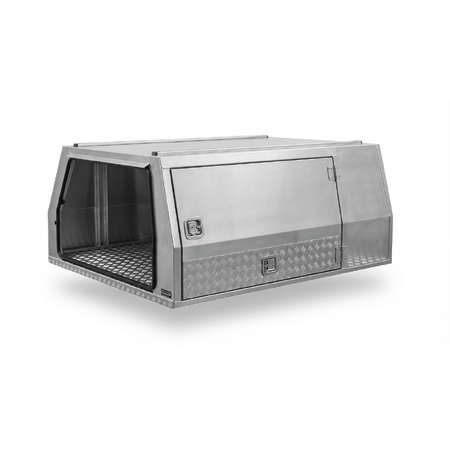
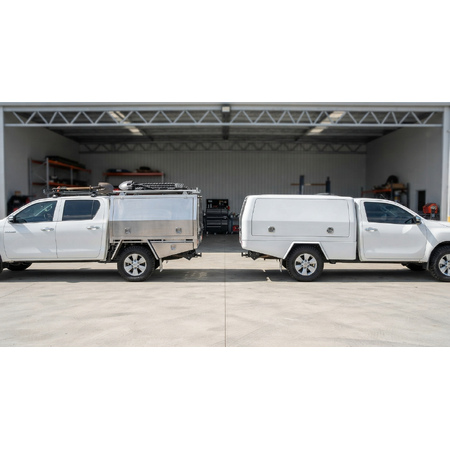
TL;DR
Choosing between an aluminium vs steel ute canopy comes down to weight, corrosion resistance, and budget. Aluminium canopies are lighter, rust-resistant, and better suited to long-term touring or daily driving, while steel canopies offer higher impact strength and are often cheaper upfront. For most ute owners in Australia, an aluminium ute canopy delivers the better long-term balance of durability, fuel efficiency, and low maintenance.
Quick Answer
An aluminium ute canopy is generally the better choice for most drivers because it is lighter, does not rust, and requires less maintenance over its lifetime. A steel ute canopy can still be the right pick for heavy-duty industrial use or extreme off-road impact resistance, where raw strength matters more than weight savings. The right decision ultimately depends on how you use your ute, your budget, and your local climate conditions.
Introduction
If you're upgrading your ute for work, touring, or 4x4 adventures, one of the biggest decisions you'll face is whether to fit an aluminium or steel canopy. Both materials have loyal supporters, and both can do the job well — but they behave very differently once they're mounted on your tray and put to daily use.
This comparison matters because a canopy isn't just storage space. It affects your vehicle's payload, fuel economy, resale value, and how much time you'll spend on upkeep. Tradies, grey nomads, and weekend off-roaders all have different priorities, so the "better" material really depends on your specific needs.
In this guide, we'll break down how aluminium and steel ute canopies compare across weight, strength, corrosion resistance, cost, and long-term value, so you can make an informed decision before you buy.
What Is a Ute Canopy and Why Material Choice Matters
A ute canopy is a fitted enclosure that sits over your vehicle's tray, offering weatherproof and secure storage for tools, camping gear, or cargo. It's a popular upgrade for tradespeople who need lockable storage on job sites, as well as for campers and 4x4 enthusiasts who want secure, all-weather protection for their equipment.
The material used to build the canopy directly affects how it performs in the real world. Weight influences fuel consumption and payload capacity. Strength determines how well the canopy withstands impacts, corrugated roads, and general wear. Corrosion resistance affects longevity, particularly in coastal or humid regions common across Australia. Because these factors all trade off against each other, there's no single "correct" answer — only the option that suits your use case best.
Aluminium Ute Canopies: Key Advantages
Lightweight Construction
Aluminium is significantly lighter than steel, often by 30–50% depending on the design and gauge used. This weight saving directly improves fuel efficiency and increases the payload you can legally and safely carry, which matters if you're already loading tools, water, or camping equipment into your tray.
Corrosion Resistance
One of the strongest arguments for an aluminium ute canopy is its natural resistance to rust. Aluminium forms a protective oxide layer that prevents corrosion, making it a smart choice for anyone driving near the coast, through humid regions, or on salt-affected roads. Unlike steel, aluminium won't develop rust spots that weaken the structure or ruin its appearance over time.
Lower Maintenance
Because aluminium doesn't rust, it typically needs far less maintenance than a steel canopy. Regular washing is usually enough to keep it in good condition, without the need for rust treatment, repainting, or protective coatings.
Better Long-Term Value
While aluminium canopies often carry a higher upfront price, many owners find they offer better value over the life of the vehicle. Reduced maintenance costs, better fuel economy from the weight savings, and stronger resale value can offset the initial price difference.
Steel Ute Canopies: Key Advantages
Higher Impact Strength
Steel is naturally tougher and more resistant to denting than aluminium of a comparable thickness. For extreme off-road conditions, mining sites, or industrial applications where the canopy might take heavy knocks, steel can offer added peace of mind.
Lower Upfront Cost
Steel ute canopies are often more affordable to purchase initially, which can make them appealing for buyers working within a tighter budget or those who only need basic storage without the premium features of an aluminium build.
Familiar Repair Options
Steel is widely used across the automotive and fabrication industry, so repairs and modifications are often easier to source, particularly in regional areas where aluminium welding specialists may be less common.
Aluminium vs Steel Ute Canopy: Side-by-Side Comparison
When comparing an aluminium vs steel ute canopy directly, a few clear patterns emerge.
Weight: Aluminium is considerably lighter, which benefits fuel economy and payload capacity, while steel adds noticeable weight to the vehicle.
Corrosion resistance: Aluminium naturally resists rust, whereas steel requires protective coatings and ongoing maintenance to prevent corrosion, especially in humid or coastal environments.
Strength and durability: Steel generally offers greater resistance to dents and impacts, while aluminium, though strong, can be more prone to denting under heavy direct force.
Cost: Steel canopies are usually cheaper to buy upfront, while aluminium canopies cost more initially but often save money over time through lower maintenance and better fuel efficiency.
Maintenance: Aluminium requires minimal upkeep, while steel needs regular inspection and rust prevention to stay in good condition.
Best for: Aluminium suits touring, camping, and everyday driving where weight and corrosion resistance matter most, while steel suits heavy-duty industrial or high-impact work environments.
Which One Should You Choose?
The right choice between an aluminium and steel ute canopy really depends on how you plan to use your vehicle.
If you're a tradie doing daily deliveries in a coastal city, or a grey nomad planning long touring trips across Australia, an aluminium ute canopy is usually the smarter long-term investment. The weight savings improve fuel economy over thousands of kilometres, and the corrosion resistance means the canopy will still look and perform well years down the track.
On the other hand, if your ute works in a mining, agricultural, or construction environment where the canopy is likely to take heavy impacts regularly, a steel canopy's extra toughness may outweigh the benefits of reduced weight. In these settings, durability against physical damage often matters more than fuel savings or corrosion resistance.
It's also worth considering your budget and how long you plan to keep the vehicle. If you're planning to sell or upgrade within a couple of years, the lower upfront cost of steel might make more financial sense. If you're keeping the ute long-term, aluminium's durability and lower running costs tend to pay off.
How Climate and Driving Conditions Influence Your Decision
Where you live and drive plays a bigger role in the aluminium vs steel ute canopy decision than many buyers realise. Australia's climate varies enormously, from humid coastal cities to dry inland regions and tropical northern areas, and each environment puts different demands on your canopy.
In coastal and tropical zones, salt-laden air accelerates corrosion on any unprotected steel surface, even with a quality powder coat. Owners in these areas often find that an aluminium ute canopy holds its finish and structural integrity far longer, with none of the rust bubbling that can appear around welds or scratches on a steel canopy after a few wet seasons.
In drier inland or outback regions, corrosion is less of a concern, but dust, corrugations, and rough unsealed roads put more stress on the canopy's frame and panels. Here, the added toughness of a steel ute canopy can be an advantage, since it's typically better equipped to absorb vibration and resist denting from flying stones or branches during remote touring.
If you regularly tow, carry heavy loads, or drive on rough tracks, it's also worth considering how the canopy interacts with your suspension and GVM (Gross Vehicle Mass). A lighter aluminium canopy leaves more of your payload allowance for water, fuel, recovery gear, and camping equipment, which is a major reason touring-focused ute owners tend to favour aluminium builds.
Weight, Payload, and Legal Considerations
Payload limits aren't just a technical detail — they're a legal requirement. Every ute has a manufacturer-set GVM, and exceeding it can result in fines, insurance complications, and reduced vehicle safety. Because a steel ute canopy can weigh considerably more than an equivalent aluminium design, it eats into your available payload before you've even loaded any gear.
For tradies carrying tools, generators, and materials daily, this weight difference can be the deciding factor. A lighter canopy means more room within legal limits for the equipment that actually earns you money. For grey nomads and touring families, the same logic applies to fridges, batteries, water tanks, and camping supplies.
It's worth getting your ute weighed with a prospective canopy fitted, or asking your supplier for accurate weight specifications, so you can calculate your realistic payload before committing to either material.
Resale Value and Long-Term Ownership
Resale value is another factor that often gets overlooked when comparing an aluminium vs steel ute canopy. Because aluminium doesn't rust, a well-maintained aluminium canopy tends to present better after several years of ownership, which can make your ute more attractive to buyers when it's time to sell or trade in.
Steel canopies, particularly those that have spent years in humid or coastal conditions, are more likely to show surface rust, pitting, or paint deterioration by the time you're ready to sell. Even if the canopy is still structurally sound, cosmetic wear can reduce buyer confidence and negotiating power.
That said, a steel canopy that has been well cared for, regularly inspected, and kept rust-free can still hold its value reasonably well, particularly in drier regions where corrosion is less of a factor. Ultimately, consistent maintenance matters just as much as the material itself when it comes to preserving resale value.
Maintenance Tips for Both Canopy Types
Regardless of which material you choose, proper care will extend the life of your ute canopy. Wash your canopy regularly to remove dirt, salt, and debris that can accelerate wear. For steel canopies, inspect for early signs of rust, particularly around welds, seams, and mounting points, and address any chips in the paint or coating promptly. For aluminium canopies, check for loose fittings or seals, and clean any built-up grime from door tracks and hinges to keep them operating smoothly.
Storing your ute under cover when possible, and avoiding harsh chemical cleaners, will also help preserve the finish and structural integrity of either material over time.
Conclusion
Both aluminium and steel ute canopies have genuine strengths, and neither is universally "better" — the right choice depends on your driving conditions, work requirements, and budget. Aluminium tends to be the preferred option for everyday drivers, tradies in humid or coastal areas, and touring enthusiasts who value low maintenance and fuel efficiency. Steel remains a solid choice for heavy-duty, high-impact environments where raw toughness is the priority.
Before making your final decision, think carefully about how your ute is used day to day, and don't hesitate to speak with a canopy specialist who can assess your specific needs and recommend the right build for your vehicle.
Frequently Asked Questions
Is aluminium or steel better for a ute canopy in coastal areas? Aluminium is generally better for coastal regions because it naturally resists rust and corrosion caused by salt air and moisture, unlike steel, which needs ongoing protective maintenance.
Does an aluminium ute canopy affect fuel economy? Yes, because aluminium is significantly lighter than steel, it typically results in better fuel economy and allows for a higher usable payload on your ute.
Are steel ute canopies stronger than aluminium ones? Steel generally offers greater resistance to dents and impacts compared to aluminium of similar thickness, making it a common choice for heavy-duty or industrial applications.
How long does a ute canopy typically last? With proper maintenance, both aluminium and steel canopies can last many years, though aluminium often requires less upkeep over time due to its natural corrosion resistance.
Is an aluminium ute canopy more expensive than a steel one? Aluminium canopies usually have a higher upfront cost, but many owners find they offer better long-term value due to lower maintenance needs and improved fuel efficiency.