Canopies for Utes Maintenance and Care Tips
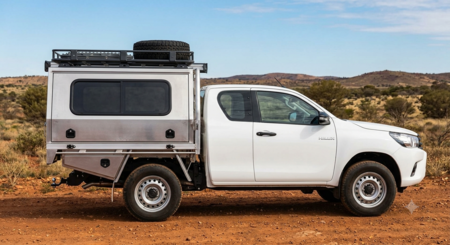
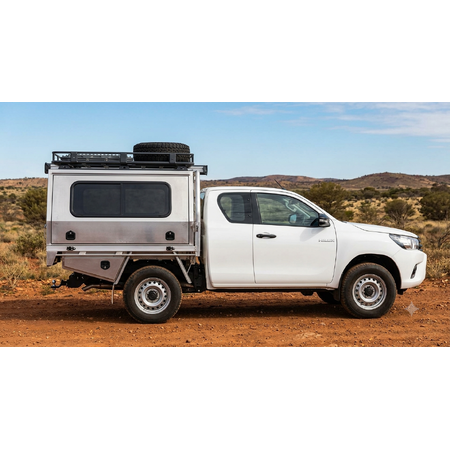
Following proper canopies for utes maintenance and care tips helps protect your investment, extend the lifespan of aluminium or steel components, and keep your storage space secure and weatherproof. Regular cleaning, seal and hinge inspection, corrosion checks, lock maintenance, and seasonal care all play a role in keeping a ute canopy performing well over years of use. Neglecting basic maintenance is one of the most common reasons canopies develop premature wear, water leaks, or security issues.
Canopies for utes maintenance and care tips generally include regularly washing the canopy to remove dust, salt, and debris, inspecting door seals and hinges for wear, checking locks and latches for smooth operation, monitoring for corrosion or rust spots, and lubricating moving parts periodically. Aluminium canopies require less rust-prevention effort than steel but still benefit from regular cleaning to prevent pitting and staining. Following a consistent maintenance routine, especially after off-road trips or exposure to harsh weather, significantly extends the working life of any ute canopy.
Introduction
A ute canopy represents a meaningful investment, whether it is protecting a tradesman's tools, securing camping gear for weekend trips, or supporting daily fleet operations. Like any vehicle accessory exposed to weather, dust, and constant use, a canopy requires regular upkeep to continue performing well, and understanding practical canopies for utes maintenance and care tips can make the difference between a canopy that lasts many years and one that develops problems within a season or two.
Many ute owners assume that because canopies are built from durable materials like aluminium or steel, they require little to no ongoing care. In reality, even the most well-built canopy is exposed to constant vibration, temperature changes, moisture, dust, and mechanical wear on hinges, seals, and locks. Without a basic maintenance routine, these factors can gradually lead to reduced weatherproofing, stiff or failing hardware, and in some cases, corrosion that shortens the canopy's usable lifespan.
In this guide, we will walk through practical, easy-to-follow canopies for utes maintenance and care tips, covering cleaning routines, hardware inspection, corrosion prevention, seasonal care, and common mistakes to avoid. By the end, you will have a clear, actionable maintenance plan to keep your ute canopy performing reliably for years to come.
Why Canopies for Utes Maintenance and Care Tips Matter
Following consistent canopies for utes maintenance and care tips is not just about appearance, it directly affects functionality, security, and long-term cost. A canopy with neglected seals can allow water and dust into stored equipment, potentially damaging tools, electronics, or camping gear. Stiff or corroded hinges and locks can make daily access frustrating or, in worse cases, compromise the security of valuable equipment stored inside.
Regular maintenance also protects your financial investment. Canopies represent a significant upfront cost, and proper care helps avoid premature replacement or costly repairs. For tradesmen relying on their canopy daily, and for four-wheel-drive owners depending on secure, weatherproof storage during remote touring trips, a well-maintained canopy is not just a convenience, it is a functional necessity.
Canopies for Utes Maintenance and Care Tips: Regular Cleaning Routine
One of the simplest yet most important canopies for utes maintenance and care tips is establishing a regular cleaning routine. Dust, mud, road salt, and general grime accumulate on canopies over time, and if left unaddressed, this buildup can contribute to surface staining, seal degradation, and in some cases, accelerated corrosion around joints and fasteners.
Wash your canopy with a mild detergent and soft brush or sponge, paying particular attention to seams, door edges, and areas around hinges and locks where debris tends to accumulate. Rinse thoroughly with clean water to remove any soap residue, and avoid using highly abrasive cleaning tools that could scratch protective coatings or powder-coated finishes. For ute owners who frequently drive on unsealed roads, coastal routes, or dusty outback tracks, more frequent washing, ideally after each significant trip, helps prevent built-up grime from causing longer-term surface damage.
Canopies for Utes Maintenance and Care Tips: Inspecting Door Seals and Weatherproofing
Door seals play a critical role in keeping dust and moisture out of your canopy, and checking their condition is an essential part of any canopies for utes maintenance and care tips routine. Over time, rubber or foam seals can become compressed, cracked, or brittle due to constant sun exposure and temperature fluctuations.
Periodically inspect all door seals for visible cracking, gaps, or areas where the seal no longer makes firm contact with the canopy frame when closed. A simple way to check seal effectiveness is to look for light gaps around the door edges or perform a basic water test by gently spraying the closed door with a hose and checking for any internal moisture afterward. If seals show signs of wear, replacing them promptly prevents more significant water or dust ingress issues from developing, particularly important for canopies used in off-road or wet weather conditions.
Canopies for Utes Maintenance and Care Tips: Hinge and Hardware Maintenance
Hinges, latches, and other moving hardware components experience regular mechanical stress from daily opening and closing, making them a key focus area in canopies for utes maintenance and care tips. Over time, hinges can accumulate dust and grit, which increases friction and can eventually lead to stiff movement or premature wear.
Periodically clean hinges and latch mechanisms to remove built-up debris, then apply a suitable lubricant designed for outdoor or marine-grade hardware to keep movement smooth and reduce wear. Avoid using excessive amounts of lubricant, which can attract additional dust and grime over time. While lubricating, also check that all mounting bolts and fasteners remain properly tightened, since vibration from regular driving, particularly on rough or unsealed roads, can gradually loosen hardware over months of use.
Canopies for Utes Maintenance and Care Tips: Lock and Security Checks
Since many ute owners rely on their canopy to secure valuable tools or equipment, maintaining locks and latches is an important part of canopies for utes maintenance and care tips. Test all locks regularly to confirm they engage smoothly and fully, and address any stiffness or resistance promptly before it develops into a complete lock failure.
Applying a small amount of dry lubricant, such as graphite powder or a silicone-based product, to key locks and latch mechanisms can help prevent sticking, particularly in dusty or humid environments. If you notice a lock becoming increasingly difficult to operate, or showing signs of internal corrosion, it is worth having it inspected or replaced by a qualified fitment specialist before it fails completely, especially if the canopy protects valuable trade tools or equipment.
Canopies for Utes Maintenance and Care Tips: Preventing Corrosion
Corrosion prevention is a central theme across most canopies for utes maintenance and care tips, though the specific approach depends on whether your canopy is aluminium or steel.
Aluminium canopies are naturally corrosion-resistant, but they can still develop surface oxidation or pitting over time, particularly in coastal or high-salt environments. Regular washing, as described earlier, is typically sufficient to prevent significant aluminium corrosion, though applying a protective wax or sealant periodically can add an extra layer of defense in harsh coastal conditions.
Steel canopies require more vigilant corrosion monitoring, since any break in the protective coating, whether from a scratch, stone chip, or worn paint, can expose bare metal to rust. Regularly inspect steel canopies for small chips or scratches in the coating, and address them promptly with appropriate touch-up paint or protective coating products before rust has a chance to spread beneath the surface finish.
Canopies for Utes Maintenance and Care Tips: Internal Storage and Drawer Systems
For canopies fitted with internal drawer systems, shelving, or racking, maintenance extends beyond the exterior shell. Periodically check drawer slides and runners for smooth operation, cleaning out accumulated dust or debris that can cause sticking over time. Lubricate slide mechanisms as needed, following manufacturer recommendations for the specific hardware installed.
It is also worth periodically checking that internal fitout components remain securely mounted, since the vibration from regular driving can gradually loosen fasteners over time, particularly for heavier drawer systems carrying substantial tool loads.
Canopies for Utes Maintenance and Care Tips: Seasonal and Off-Road Considerations
Certain conditions call for more attentive canopies for utes maintenance and care tips. After extended off-road touring trips, particularly those involving dust, mud, water crossings, or coastal driving, perform a more thorough inspection and cleaning than your usual routine. Check underneath the canopy and around mounting points for accumulated mud or debris that could trap moisture against the frame over time.
In regions with significant seasonal weather changes, consider adjusting your maintenance frequency accordingly. Increased humidity, heavy rainfall periods, or extended exposure to intense sun can all accelerate wear on seals, hardware, and protective coatings, making more frequent inspections worthwhile during these periods.
Common Mistakes to Avoid in Canopies for Utes Maintenance and Care
While following good canopies for utes maintenance and care tips, it is equally important to avoid a few common mistakes. Using overly abrasive cleaning tools or harsh chemical cleaners can damage protective coatings or seals over time. Neglecting to dry the canopy thoroughly after washing, particularly around seams and hardware, can trap moisture and contribute to corrosion in vulnerable areas.
Ignoring small issues, such as a slightly stiff hinge or a minor seal gap, often leads to larger, more costly problems down the line. Addressing small maintenance items promptly is generally far more cost-effective than waiting until a component fails completely and requires full replacement.
Canopies for Utes Maintenance and Care Tips: Protecting Painted and Powder-Coated Finishes
If your canopy features a painted or powder-coated finish, whether for color matching or additional protection, maintaining that surface is another important part of canopies for utes maintenance and care tips. Powder-coated finishes are generally durable, but they can still be affected by prolonged UV exposure, road grime, and minor impacts from stones or debris kicked up during driving.
Washing your canopy regularly helps prevent grime buildup from dulling the finish over time, and applying a UV-protective wax or sealant every few months can help preserve color and shine, particularly for utes that spend significant time parked outdoors in direct sunlight. If you notice small chips or scratches in a painted or powder-coated finish, addressing them early with appropriate touch-up products helps prevent moisture from reaching the underlying metal and starting a corrosion problem, especially important for steel-framed canopies where exposed metal can rust quickly once the protective coating is compromised.
Canopies for Utes Maintenance and Care Tips: Creating a Maintenance Schedule
Rather than relying on memory alone, many experienced ute owners find it helpful to build a simple recurring maintenance schedule into their routine. A practical approach involves a quick visual inspection and wipe-down after every significant trip, a more thorough wash and seal check on a monthly basis, and a comprehensive inspection covering hinges, locks, drawer systems, and corrosion checks every few months or before major touring trips.
Keeping a basic maintenance log, even something as simple as a note on your phone, can help track when seals, hardware, or protective coatings were last inspected or serviced. This makes it easier to catch developing issues early and ensures that canopies for utes maintenance and care tips become a consistent habit rather than an afterthought, ultimately protecting both the canopy itself and everything stored inside it.
When to Seek Professional Servicing
While most canopies for utes maintenance and care tips can be handled by ute owners themselves, certain issues are best addressed by a qualified fitment specialist or the canopy manufacturer. Significant hinge misalignment, persistent water leaks despite seal replacement, electrical issues with integrated lighting or security systems, or structural damage from an accident all warrant professional assessment. Attempting complex repairs without proper expertise can sometimes cause further damage or void manufacturer warranty coverage, so it is worth consulting a qualified technician for anything beyond routine cleaning and basic hardware maintenance.
Canopies for Utes Maintenance and Care Tips: Building a Long-Term Care Habit
Ultimately, the most effective canopies for utes maintenance and care tips are the ones that become a natural part of your regular vehicle care routine rather than an occasional afterthought. Pairing canopy checks with routine vehicle servicing, tyre rotations, or pre-trip inspections before a long drive is a practical way to ensure maintenance does not get overlooked during busy periods.
Ute owners who treat their canopy as an integral part of the vehicle, rather than a separate accessory, tend to catch small issues before they become expensive problems. Whether you use your canopy for daily trade work, weekend adventures, or long-distance touring, building this habit early pays off significantly over the working life of the vehicle.
Conclusion
Following consistent canopies for utes maintenance and care tips is one of the simplest ways to protect your investment and ensure your canopy continues performing reliably for years. From regular cleaning and seal inspection to hinge lubrication, corrosion prevention, and prompt attention to small issues, a proactive maintenance routine costs far less time and money than dealing with major repairs or premature replacement. Whether your canopy supports daily trade work or long-distance touring adventures, a little consistent care goes a long way toward keeping it secure, weatherproof, and functional for the long haul.
Frequently Asked Questions
How often should I clean my ute canopy? Regular washing every few weeks is generally sufficient for standard use, but ute owners driving on dusty, muddy, or coastal roads should clean their canopy more frequently, ideally after each significant trip.
Do aluminium canopies need less maintenance than steel canopies?Aluminium canopies generally require less rust-prevention maintenance since they are naturally corrosion-resistant, while steel canopies need more vigilant monitoring for coating damage and rust.
How do I know if my canopy door seals need replacing? Look for visible cracking, gaps, or areas where the seal no longer makes firm contact with the frame when closed. A simple water test can also help identify weak spots in the seal.
What should I use to lubricate canopy hinges and locks? A lubricant designed for outdoor or marine-grade hardware works well for hinges, while dry lubricants like graphite powder are often better suited for lock mechanisms to avoid attracting dust.
Can I perform canopy maintenance myself, or do I need a professional? Most routine maintenance, including cleaning, seal checks, and hinge lubrication, can be done by ute owners themselves, but significant issues like persistent leaks, structural damage, or electrical faults are best handled by a qualified fitment specialist.
Does regular maintenance actually extend the lifespan of a ute canopy? Yes, consistently following canopies for utes maintenance and care tips such as regular cleaning, seal inspection, and prompt attention to minor wear significantly extends a canopy's usable lifespan and helps avoid costly repairs or early replacement caused by neglected corrosion or hardware failure.