Heavy Duty Trailer Tool Box for Off-Road Use: The Complete Buyer's Guide
TL;DR
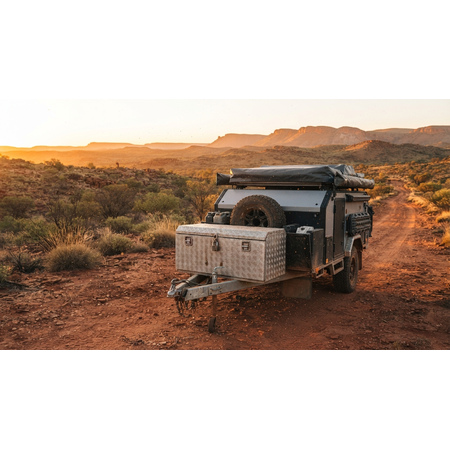
A heavy duty trailer tool box for off-road use needs to withstand vibration, dust, water, and constant impact that standard toolboxes simply aren't built for. The right box combines rugged materials, secure mounting, weatherproof sealing, and smart internal organization. This guide covers what to look for, how these boxes are constructed, and how to choose one that will actually survive the conditions you're driving through.
Quick Answer
A heavy duty trailer tool box for off-road use is a reinforced storage unit, typically made from aluminium or checker plate steel, designed to secure tools and equipment on a trailer while withstanding rough terrain, dust, moisture, and constant vibration. Key features to look for include thick-gauge material, welded (not riveted) construction, marine-grade seals, corrosion-resistant hardware, and a mounting system rated for off-road loads. Choosing the right box comes down to matching material, size, and mounting method to the specific terrain and trailer setup you actually use.
Introduction
Anyone who has towed a trailer down a corrugated dirt track knows exactly what happens to gear that isn't properly secured. Lids pop open, latches shake loose, and dust finds its way into every gap it can reach. A standard tool box, built for light use in a shed or on a smooth road, simply doesn't hold up once it's exposed to real off-road conditions. This is exactly why heavy duty, off-road-rated trailer storage exists as its own category of equipment, built specifically to survive vibration, impact, water crossings, and constant exposure to dust and grit.
Choosing the right box isn't just about picking the biggest or cheapest option available. Material thickness, weld quality, seal design, and mounting strength all play a role in whether a box actually protects your tools or fails within the first few trips. In this guide, we'll walk through what makes a trailer tool box genuinely suited to off-road conditions, the materials and construction methods that matter most, and the practical factors worth considering before you buy.
What Makes a Trailer Tool Box "Heavy Duty"?
Not every tool box marketed as heavy duty actually meets that standard once it's tested against real off-road terrain. Genuine heavy duty construction usually comes down to a combination of material thickness, joining method, and hardware quality, rather than just overall size or a rugged-looking exterior.
Thicker gauge aluminium or steel panels resist denting and flexing far better than thin sheet metal, particularly when the trailer is bouncing over rocks, ruts, and washboard tracks for extended periods. Boxes built with fully welded seams tend to outperform riveted or bolted construction, since welded joints don't loosen or work their way apart under sustained vibration the way mechanical fasteners can over time.
Hardware also matters more than most buyers initially expect. Stainless steel hinges, locks, and latches resist corrosion far better than standard zinc-plated hardware, which is particularly important in coastal areas or during water crossings where salt and moisture accelerate rust. A genuinely heavy duty box is essentially engineered as a system, where the body, seals, and hardware are all rated to handle the same level of abuse together.
Why Off-Road Conditions Demand Different Construction
Standard trailer tool boxes are typically designed with everyday road use in mind, where vibration is minimal and exposure to dust or water is limited. Off-road environments change these conditions dramatically, and the construction of the box needs to reflect that difference.
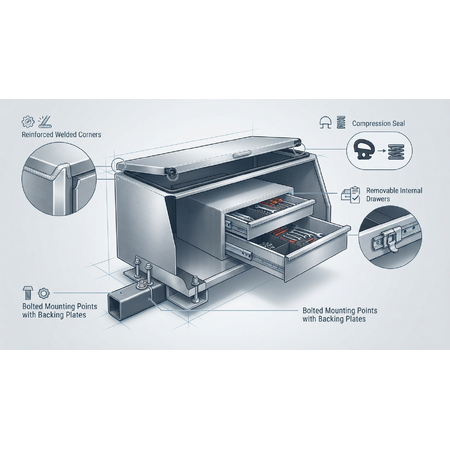
Constant vibration from corrugated roads and rough tracks places repeated stress on welds, hinges, and mounting points. Over time, this stress can crack poorly welded seams or work bolts loose on boxes that weren't engineered to absorb this kind of sustained movement. A genuinely rugged box built for these conditions is constructed with reinforced mounting points and thicker material specifically to handle this ongoing mechanical stress without failing prematurely.
Dust intrusion is another major factor. Fine red dust common on many off-road tracks can work its way into even small gaps, coating tools, electronics, and recovery gear in abrasive grit. Quality off-road boxes use compression seals around the lid, rather than simple foam strips, to create a genuine barrier against fine dust particles rather than just slowing their entry.
Water exposure adds a further layer of demand, particularly for anyone tackling river crossings or driving in wet conditions. A box that isn't properly sealed can allow water to pool inside, damaging tools, corroding metal components, and potentially ruining anything stored inside that isn't waterproof itself. Marine-grade sealing and drainage design help address this risk directly.
Key Features to Look For
When evaluating a rugged trailer storage unit built for off-road use, several specific features tend to separate genuinely capable boxes from ones that only look tough.
Material and Gauge Thickness
Aluminium boxes are popular for off-road applications because they offer a strong strength-to-weight ratio, which matters when you're already carrying recovery gear, fuel, and camping equipment on a loaded trailer. Checker plate steel boxes are heavier but can offer excellent impact resistance for particularly harsh applications. Either material can perform well, provided the gauge thickness is substantial enough to resist denting and flexing under load.
Sealing and Weatherproofing
Compression seals around the lid perimeter are one of the clearest indicators of a properly engineered off-road box. Combined with a lid design that sheds water rather than allowing it to pool, good sealing keeps dust and moisture out even during extended trips through harsh conditions.
Mounting System
The mounting method needs to be rated for the vibration and loads typical of off-road driving, not just static weight. Bolted mounting points reinforced with backing plates distribute stress more evenly across the trailer chassis than simple surface-mounted brackets, reducing the risk of the box working loose over time.
Locking Mechanism
A secure locking system protects both the contents of the box and the tools themselves from theft, particularly when the trailer is left unattended at a remote camping spot or job site. Heavy duty latches paired with a quality lock cylinder offer significantly more security than basic slide latches found on lighter-duty boxes.
Internal Organization
Removable trays, dividers, and drawer systems help keep tools organized and prevent them from sliding around and causing damage during rough travel. This is particularly valuable for anyone carrying a mix of hand tools, recovery gear, and smaller loose items that would otherwise end up in a jumbled pile after a rough section of track.
Ventilation and Rust Prevention
A feature that's easy to overlook is internal ventilation, particularly for boxes storing tools that may occasionally get wet from rain or a river crossing. Boxes with small drainage points or breathable seals allow trapped moisture to escape gradually rather than sitting inside the enclosed space, which helps prevent condensation from causing rust on stored tools over time. This is especially relevant for boxes used in humid coastal regions or during wetter travel seasons, where trapped moisture can otherwise become a persistent problem.
Aluminium vs Steel: Which Material Is Right for Off-Road Use?
This is one of the most common questions buyers face when choosing rugged tool storage for off-road trailers, and the right answer depends largely on how the trailer is used.
Aluminium offers a genuine weight advantage, which matters for fuel efficiency and overall trailer handling, particularly on long touring trips where every kilogram affects towing performance. It also naturally resists corrosion without requiring additional coatings, which is a meaningful benefit for anyone regularly exposed to coastal air or water crossings.
Checker plate steel, on the other hand, offers exceptional impact resistance and tends to be favored by tradesmen and heavy-use applications where the box might take direct hits from tools, equipment, or cargo shifting during transport. Steel boxes typically require a protective coating or paint finish to resist rust, and this coating needs to be maintained over time to preserve corrosion resistance.
For most recreational off-road touring and camping setups, aluminium tends to be the more practical choice due to its weight savings and low maintenance requirements. For commercial or trade applications involving frequent heavy impacts, a well-built steel box may offer longer service life despite the added weight.
Common Applications for Heavy Duty Trailer Tool Boxes
Off-road touring setups represent one of the most common use cases, where a heavy duty trailer tool box for off-road use holds recovery gear, spare parts, and tools needed for remote travel where professional help isn't readily available. Reliable storage becomes essential when a breakdown hundreds of kilometres from the nearest town could otherwise turn into a serious problem.
Camping and overlanding trailers frequently use these boxes to store cooking equipment, tools, and maintenance gear alongside recovery equipment like snatch straps, shovels, and tyre repair kits. Keeping this equipment organized and protected from dust and moisture makes a significant difference in how quickly gear can be accessed when it's actually needed.
Tradesmen who tow equipment trailers to remote job sites also rely heavily on rugged tool storage, since their livelihood often depends on tools remaining functional and organized despite daily exposure to rough tracks and unpredictable weather. Agricultural and rural property applications represent another common use case, where trailers regularly traverse unsealed roads and paddocks that place similar stress on stored equipment.
How to Choose the Right Box for Your Setup
Selecting the right box starts with an honest assessment of how the trailer is actually used, rather than simply choosing the largest or most affordable option available.
Trailer size and available mounting space should guide the dimensions you consider, since a box that's too large can interfere with other equipment or affect trailer balance, while one that's too small won't hold everything you need for extended trips. Measuring available space carefully before purchasing helps avoid costly sizing mistakes.
The specific terrain you typically drive should influence material choice and sealing requirements. Someone doing occasional gravel road trips has different needs than someone regularly crossing rivers or driving through fine bulldust, and being honest about your actual usage pattern leads to better long-term satisfaction with the purchase.
Budget considerations matter as well, though it's worth remembering that a genuinely heavy duty box, while more expensive upfront, typically outlasts multiple cheaper alternatives that need replacing after failing under real off-road stress. Considering the total cost over several years of use, rather than just the initial purchase price, often makes the higher-quality option the more economical choice in the long run.
Finally, checking manufacturer warranty terms and reviews from other off-road users provides valuable insight into how a specific box actually performs under real conditions, rather than just how it's described in marketing material.
Maintenance Tips to Extend the Life of Your Trailer Tool Box
Even a well-built heavy duty trailer tool box for off-road use benefits from routine maintenance to preserve its performance over time. Regularly checking mounting bolts for tightness helps catch loosening before it becomes a serious problem, particularly after extended trips over rough terrain.
Cleaning dust and debris from seals and hinges prevents grit from gradually wearing down these components, which can eventually compromise the weatherproofing that keeps water and dust out. Applying a light coating of lubricant to hinges and locks helps prevent corrosion and keeps the mechanisms operating smoothly, especially after exposure to water crossings or coastal conditions.
Inspecting for early signs of corrosion, particularly around welds and mounting points, allows small issues to be addressed before they develop into structural problems. Addressing minor rust spots promptly, before they spread, significantly extends the practical lifespan of the box compared to ignoring early warning signs.
It's also worth periodically checking that the internal organization system, such as trays or dividers, hasn't shifted or come loose after a rough trip, since a dislodged tray can rattle against the box walls and cause unnecessary wear over time. Storing the trailer under cover when it's not in use, even a simple tarp or carport, further reduces UV exposure and weathering that can gradually degrade seals and finishes, extending the overall service life of the box well beyond what regular outdoor storage would allow.
Conclusion
A heavy duty trailer tool box for off-road use is far more than a simple storage container; it's a piece of equipment that needs to survive the same demanding conditions as the rest of your rig. Material choice, construction quality, sealing, and mounting strength all play a role in whether a box actually holds up to sustained off-road use or fails within the first few serious trips. Taking the time to evaluate these factors against your actual usage pattern, rather than choosing based on price or appearance alone, leads to a purchase that genuinely protects your tools and equipment for years of reliable off-road travel.
Frequently Asked Questions
What is the best material for a heavy duty trailer tool box used off-road? Aluminium is generally preferred for off-road touring due to its light weight and natural corrosion resistance, while checker plate steel offers superior impact resistance for heavy commercial or trade use, so the best choice depends on your specific application.
How do I stop dust from getting into my trailer tool box? Look for a box with compression seals around the lid rather than basic foam strips, since these create a tighter barrier against fine dust particles common on off-road tracks.
Can a trailer tool box be waterproof for river crossings? Many heavy duty boxes use marine-grade sealing designed to resist water intrusion during crossings, though it's worth checking the specific rating and design of any box before relying on it in deep water.
How do I mount a heavy duty trailer tool box securely? Mounting should use bolted connections reinforced with backing plates to distribute stress across the trailer chassis, rather than relying solely on surface-mounted brackets that can loosen under vibration.
How much weight can a heavy duty trailer tool box typically hold? Weight capacity varies significantly between models and manufacturers, so it's important to check the specific load rating provided by the manufacturer rather than assuming all heavy duty boxes handle the same maximum load.