How to Choose the Right Toolbox for Your Ute
TL;DR
Choosing the right toolbox for your ute comes down to matching material, size, mounting style, and security features to how you actually use your vehicle. Tradesmen, weekend off-roaders, and fleet operators all have different priorities, and the best toolbox for one setup might be the wrong fit for another. This guide walks through the practical factors — material, box style, weight capacity, mounting position, and security — so you can make a confident decision rather than guessing based on price alone.
Quick Answer
To choose the right toolbox for your ute, start by identifying how much gear you carry, how heavy it typically is, and where on the tray or tub you need access most often. Aluminium toolboxes are lighter and rust-resistant, making them a common choice for most utes, while steel offers extra durability for very heavy-duty use. Box style — under tray, side open, gullwing, or top open — should match your access needs, and mounting position should avoid interfering with load capacity, ground clearance, or existing accessories like canopies or trays.
Introduction
Anyone who's added a toolbox to a ute knows it's not as simple as picking the first one that fits. Get it right, and it becomes one of the most useful additions to the vehicle — keeping tools organized, protected from weather, and secured against theft. Get it wrong, and you end up with a box that's too small, too heavy, poorly positioned, or simply not built for the way you actually work.
Learning how to choose the right toolbox for your ute matters more than it might seem at first glance. A toolbox isn't just storage — it affects how you load and unload gear every day, how much payload capacity you have left for other equipment, and how secure your tools are when the ute is parked overnight on a job site. For tradesmen especially, a poorly chosen toolbox can slow down a workday in small but repeated ways.
This guide covers the practical side of how to choose the right toolbox for your ute: the material options, the different box styles available, how to think about size and weight, mounting considerations, and security features worth checking. By the end, you should have a clear framework for choosing the right toolbox for your ute rather than picking based on appearance or price alone.
Why the Right Toolbox Choice Matters
A ute toolbox does more than hold tools. It protects equipment from rain, dust, and road grime, keeps loose items from shifting around during transport, and — when properly secured — reduces the risk of theft from an unattended vehicle. For trade businesses, a well-organized toolbox setup can also mean less time spent searching for equipment on-site, which adds up over weeks and months of daily use.
On the flip side, the wrong choice creates ongoing friction. A toolbox that's too heavy eats into your ute's payload capacity, which matters if you're already carrying other equipment or materials. One that's poorly positioned can block access to tie-down points, spare wheel access, or existing tray features. And a toolbox without proper locking mechanisms leaves valuable tools exposed to opportunistic theft.
Because of this, learning how to choose the right toolbox for your ute is worth treating as a genuine decision rather than an afterthought, especially if the vehicle is used daily for work.
Getting this decision right the first time also saves money in the long run. Replacing a poorly chosen toolbox after only a year or two of use — because it turned out to be the wrong size, the wrong material, or mounted in an inconvenient spot — costs more overall than spending a bit more time comparing options upfront.
Material: Aluminium vs Steel Toolboxes
Material is usually the first fork in the road when working out how to choose the right toolbox for your ute, and it affects weight, durability, and cost.
Aluminium Toolboxes
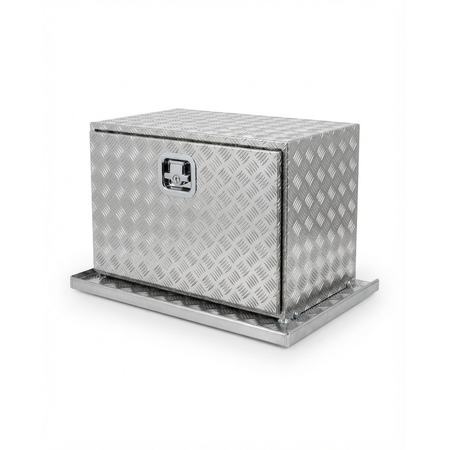
Aluminium is the most common material for ute toolboxes, largely because it strikes a practical balance between strength and weight. It doesn't rust the way untreated steel does, which matters for anyone regularly exposed to rain, humidity, or coastal conditions. Aluminium boxes are also lighter, which helps preserve payload capacity — a meaningful factor if the tray is already carrying other gear.
Checker plate aluminium, a common finish, adds a bit of surface texture that helps hide minor scratches and scuffs from daily use, which is part of why it's a popular choice among tradesmen.
Steel Toolboxes
Steel toolboxes are heavier but offer a higher level of raw durability, which can matter in industries where the toolbox takes constant physical abuse — heavy tools being dropped in and out, equipment being stacked on top, or rough job site conditions. The trade-off is added weight and, unless properly coated, a higher risk of corrosion over time compared to aluminium.
For most standard trade and personal use, aluminium tends to be the more practical option. Steel becomes worth considering when extreme durability outweighs the downside of extra weight.
Toolbox Styles and How They Affect Access
Beyond material, the style of the toolbox significantly affects how convenient it is to use day to day.
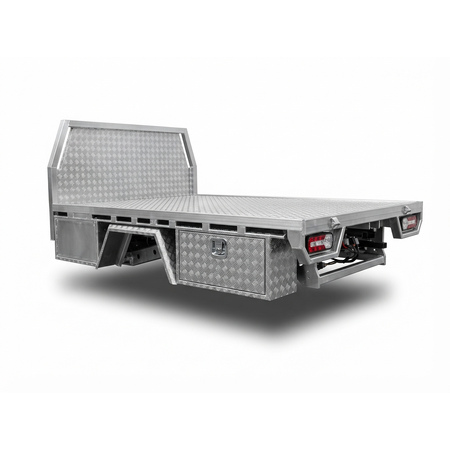
Under Tray Toolboxes
These sit beneath the tray, making use of space that would otherwise go unused. They're a good option for tools you don't need constant access to, since reaching them typically requires bending down or accessing from the side of the vehicle.
Side Open Toolboxes
Positioned along the side of the tray, these offer easier standing-height access compared to under tray units. They work well for frequently used tools and equipment that need to be grabbed quickly throughout the day.
Gullwing Toolboxes
Gullwing toolboxes open upward from both sides, providing wide access to the full internal storage area at once. This style is particularly useful for larger or bulkier items that don't fit neatly through a narrow side-opening door.
Top Open Toolboxes
These open from the top, similar to a chest, and are often mounted at the front of the tray or across the tub. They tend to suit tools and equipment that are less frequently accessed, since retrieving items from the bottom of a top-opening box can require more digging.
Trundle Drawer Systems
For users who need highly organized, pull-out access to gear, trundle drawer systems slide out from under the tray, offering a workbench-like layout. These suit tradesmen who want everything visible and reachable without climbing onto the tray itself.
Matching the box style to how often you need access — and how quickly — often matters more than matching it to available space alone.
Sizing a Toolbox Correctly
Getting the size right is a core part of choosing the right toolbox for your ute, and it avoids two common mistakes: buying something too small that doesn't fit your actual gear, or something oversized that eats into usable tray space unnecessarily.
Measuring Available Tray Space
Before comparing toolbox dimensions, it helps to measure the actual available space on your tray or tub, accounting for other fitted accessories like a canopy, ladder rack, or spare wheel carrier. This prevents ordering a toolbox that technically fits the tray but conflicts with something already installed.
Matching Size to Tool Inventory
It's worth taking stock of what you're actually storing — hand tools, power tools, larger equipment, or a mix of all three — before settling on dimensions. Oversized boxes waste tray space and add unnecessary weight, while undersized ones lead to overstuffing, which makes it harder to find things quickly and can strain hinges or latches over time.
Leaving Room for Growth
Trade equipment tends to accumulate over time. Choosing a toolbox with a small amount of extra capacity, rather than one that exactly matches your current inventory, can save you from needing to replace it again in a year or two.
Weight Capacity and Payload Considerations
This is one of the most overlooked factors when working out how to choose the right toolbox for your ute, but it has real practical consequences.
Every ute has a rated payload capacity, and everything added to the vehicle — toolbox weight, tools stored inside, canopy, fuel, passengers — counts against that limit. A heavy steel toolbox loaded with dense equipment can eat into payload capacity faster than expected, which matters both for legal compliance and for the vehicle's handling and braking performance.
Before choosing a toolbox, it's worth checking the vehicle's payload rating and estimating the combined weight of the toolbox plus its typical contents. This is especially important for tradesmen who already carry heavy tools, generators, or materials, since stacking too much weight onto an already loaded ute can affect safety and is worth discussing with a qualified fitter or checking against manufacturer guidelines.
Mounting Position and Placement
Where a toolbox sits on the tray affects both usability and the vehicle's balance.
Front-Mounted Toolboxes
Positioned near the cab, front-mounted toolboxes are a common default for many setups. They're generally easy to access from the side of the vehicle and don't interfere with rear tie-down points or tailgate access.
Under Tray Positioning
As mentioned earlier, under tray units make use of otherwise wasted space, but they do sit lower and closer to the ground, which is worth factoring in for anyone doing serious off-road driving where ground clearance matters.
Balanced Weight Distribution
Regardless of style, distributing weight evenly across the tray — rather than concentrating it all on one side or at the very rear — helps maintain stable handling, particularly when the ute is fully loaded. This is a detail that's easy to overlook when focused purely on convenience of access.
Security Features Worth Checking
Since toolboxes often sit on job sites or in public parking areas overnight, security is a legitimate concern for most buyers, and it's a factor that belongs in any serious discussion of how to choose the right toolbox for your ute.
Locking Mechanisms
Basic toolboxes come with standard key locks, but higher-end options may include heavier-duty locking systems designed to resist forced entry. For tradesmen carrying expensive power tools, investing in a toolbox with a more robust lock is often worth the extra cost.
Mounting Security
A toolbox is only as secure as its mounting. Bolted or welded mounting points are generally more resistant to theft than lighter clamp-based systems, since a poorly secured box can potentially be removed from the tray entirely, tools and all.
Alarm Add-Ons
Some setups include or allow for the addition of alarm systems specifically designed for canopies and toolboxes, adding an extra layer of deterrence beyond a standard lock. This is worth considering for high-value tool inventories or vehicles regularly left unattended in less secure areas.
Common Questions People Ask Before Buying
A few practical questions tend to come up repeatedly when people are comparing toolbox options for their ute.
One frequent question is whether a single large toolbox is better than multiple smaller ones. The answer depends on how tools are used day to day — a single large box centralizes storage, while multiple smaller units can allow for better organization by tool type, at the cost of using up more tray space overall.
Another common question involves whether toolbox weight genuinely affects fuel economy or handling. In practice, added weight from a toolbox and its contents does have some effect on fuel consumption and handling characteristics, though the extent depends on total load and driving conditions. This is one more reason weight-conscious material choices like aluminium tend to be popular.
A third question relates to whether a toolbox needs to match the ute's tray or canopy in material and finish. While matching finishes can improve the vehicle's overall appearance, it isn't a functional requirement — durability, size, and mounting security matter far more for day-to-day use than aesthetic consistency.
Conclusion
Knowing how to choose the right toolbox for your ute isn't about finding the most expensive or most feature-packed option available — it's about matching material, size, style, and mounting position to how you actually use the vehicle day to day. Aluminium suits most general and trade use thanks to its lighter weight and rust resistance, while steel makes sense for extreme durability needs. Box style should follow how often and how quickly you need access to your gear, and weight capacity deserves genuine attention rather than being an afterthought.
At its core, choosing the right toolbox for your ute comes down to being honest about your actual working habits rather than buying based on what looks impressive in a showroom. A tradesman who's in and out of their toolbox a dozen times a day has very different needs than someone using it mainly for occasional storage on weekend trips. Taking the time to think through material, size, mounting, and security before buying tends to result in a setup that holds up well over years of daily use, rather than one that needs replacing once its limitations become obvious on the job.
FAQs
Is aluminium or steel better for a ute toolbox? Aluminium is generally better for most users because it's lighter and resists rust, which helps preserve payload capacity and durability over time. Steel offers greater raw toughness but adds weight and can be more prone to corrosion if not properly coated.
What size toolbox do I need for my ute? This depends on your available tray space and the volume of tools or equipment you typically carry. Measuring your tray dimensions and taking stock of your actual tool inventory before comparing box sizes helps avoid buying something too small or unnecessarily oversized.
Does adding a toolbox affect my ute's payload capacity? Yes. The toolbox's own weight plus the weight of everything stored inside counts against your vehicle's rated payload capacity, so it's worth checking your ute's payload rating before choosing a heavy toolbox loaded with dense tools.
Which toolbox style offers the easiest access to tools? Side open and gullwing toolboxes generally offer the easiest standing-height access, while under tray and top open styles are better suited for equipment that's used less frequently throughout the day.
How can I make my ute toolbox more secure? Choosing a toolbox with a robust locking mechanism, ensuring it's securely bolted or welded to the tray, and optionally adding an alarm system are practical ways to improve security, especially for toolboxes carrying high-value tools.