Aluminium Dog Box Guide: Why It's the Smart Choice for Safe, Durable Pet Transport
TL;DR
An aluminium dog box is a purpose-built, lightweight enclosure fitted to a ute tray, designed to keep dogs secure, comfortable, and protected during travel. Its corrosion-resistant, durable construction makes it a preferred choice over steel or plastic alternatives for Australian conditions. This guide covers how an aluminium dog box works, its key benefits, the different configurations available, and what to look for before buying one.
Quick Answer
An aluminium dog box is a lightweight, weather-resistant enclosure mounted on a ute tray to safely transport dogs while protecting them from wind, rain, heat, and road vibration. It typically features ventilation gaps, secure locking doors, and a divided interior for multiple dogs. Compared to steel or timber alternatives, an aluminium dog box offers better rust resistance, lower overall vehicle weight, and easier long-term maintenance, making it a popular choice for farmers, hunters, and everyday ute owners across Australia.
Introduction
Anyone who has driven behind a ute with a dog standing unsecured in the tray knows how unsettling it can look. A sudden stop, a pothole, or a sharp turn can easily throw an unrestrained dog off balance, and in the worst cases, out of the vehicle entirely.
An aluminium dog box solves this problem directly. It gives dogs a stable, enclosed space to travel in, shielded from the elements and secured against sudden vehicle movement. Beyond safety, it also keeps dogs cooler in summer, drier in wet weather, and generally more comfortable across long trips.
In this guide, we will explain what an aluminium dog box actually is, why aluminium has become the material of choice for this application, the different types available, and the key factors to consider before buying one. Whether you're a farmer, a hunter, or simply someone who takes their dog along for work or weekend trips, this article will help you choose the right setup.
What Is an Aluminium Dog Box?
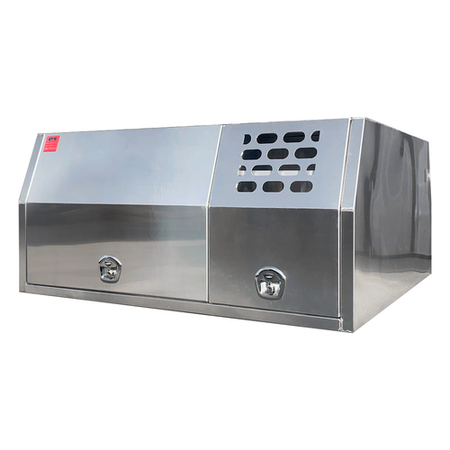
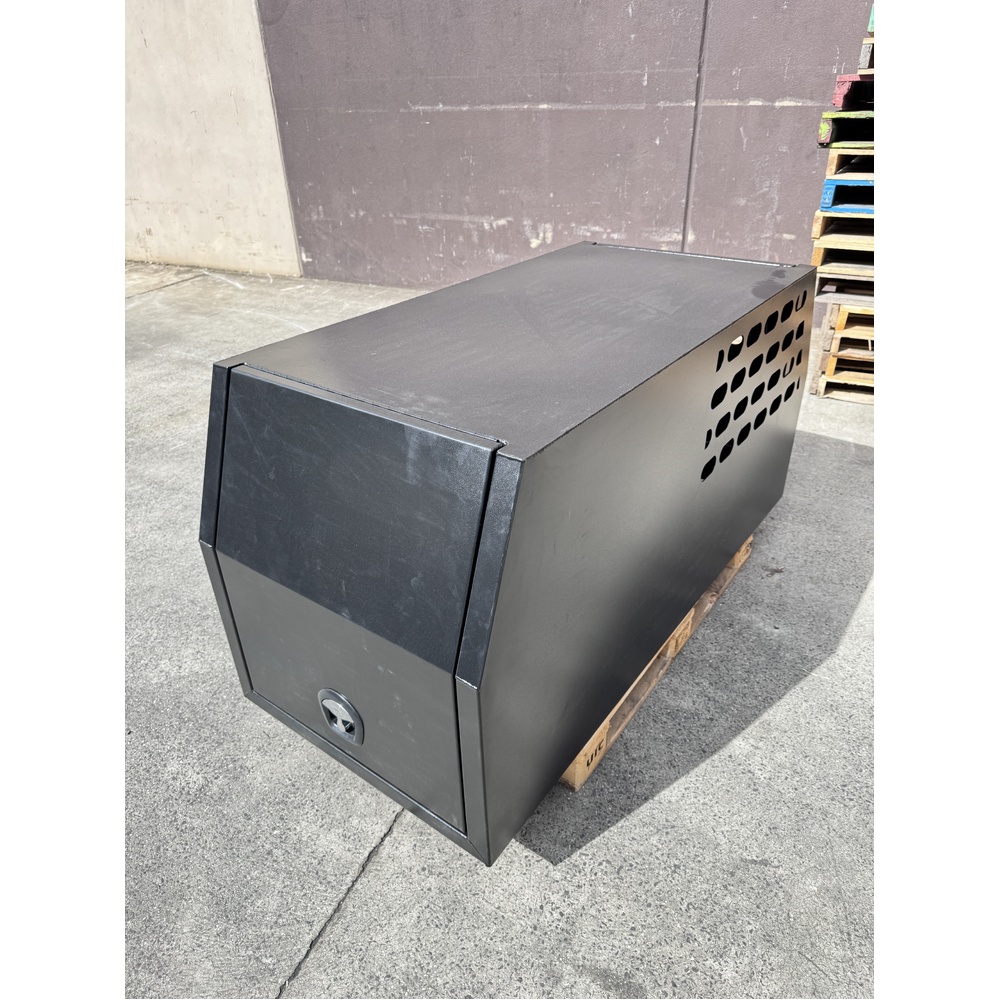
An aluminium dog box is a purpose-built enclosure, typically constructed from sheet aluminium, designed to sit on the back of a ute tray and provide a secure, weatherproof space for transporting one or more dogs. Unlike improvised crates or generic cages, these units are engineered specifically for vehicle mounting, with reinforced frames and secure locking systems.
The core appeal of an aluminium dog box lies in the material itself. Aluminium naturally resists corrosion, meaning it holds up far better than untreated steel when exposed to rain, mud, and coastal humidity over years of regular use. It's also considerably lighter than steel, which matters when you're already carrying tools, equipment, or camping gear on the same tray.
Why Aluminium Is the Preferred Material for Dog Boxes
Not all dog box materials perform equally under real-world conditions, and understanding why aluminium has become the industry standard helps explain its popularity among ute owners.
Corrosion Resistance
Australian conditions vary dramatically, from humid coastal regions to dusty outback tracks, and both extremes create challenges for metal enclosures. An aluminium dog box naturally forms a thin oxide layer that protects it from rust, unlike raw steel, which requires ongoing paint or coating maintenance to avoid corrosion over time.
Lightweight Construction
Every kilogram added to a ute's tray reduces its available payload capacity. Because aluminium is significantly lighter than steel while still offering strong structural integrity, an aluminium dog box allows owners to add secure pet transport without sacrificing as much room for tools, equipment, or other cargo.
Durability Under Stress
Despite being lightweight, quality aluminium sheeting used in dog box construction is engineered to withstand impacts, vibration, and the general wear of daily use. This combination of strength and low weight is difficult to match with alternative materials like timber, which can warp, or plastic, which can crack under sustained UV exposure.
Low Maintenance Requirements
An aluminium dog box generally requires far less upkeep than steel alternatives. There's no need for regular repainting to prevent rust, and the material's natural resistance to weathering means it retains its structural and cosmetic condition for years with only basic cleaning.
How an Aluminium Dog Box Works
At its core, an aluminium dog box functions as a secure, ventilated compartment that restrains a dog safely during vehicle movement while shielding it from environmental exposure. The design typically includes solid side and roof panels to block wind and rain, paired with strategically placed ventilation gaps to maintain airflow.
Key Components of an Aluminium Dog Box
Most quality units share several core design elements:
- Reinforced frame – provides structural rigidity and secure mounting points to the ute tray
- Locking doors – prevent accidental opening during transit and deter theft
- Ventilation gaps or vents – maintain airflow to prevent overheating
- Internal divider walls – separate compartments for multiple dogs or additional storage
- Drainage points – allow easy cleaning and prevent water pooling inside the box
- Piano hinges – full-length hinges that distribute stress evenly across the door for long-term durability
Understanding these components helps buyers assess build quality, since cheaper units often cut corners on hinge quality, ventilation design, or seal integrity.
Types of Aluminium Dog Box Configurations
Not every aluminium dog box is designed the same way, and the right configuration depends on how many dogs you transport and what else you need to carry on your tray.
Single Compartment Dog Box
A single compartment aluminium dog box provides one enclosed space, suited to owners transporting a single dog. These units are generally more compact, leaving additional tray space free for tools or equipment.
Dual Compartment Dog Box
Dual compartment models divide the interior with a solid wall, allowing two dogs to travel separately. This configuration is particularly useful for working dog owners, such as farmers or hunters, who need to transport multiple dogs while keeping them physically separated during travel.
Half Dog Box with Combined Storage
Some aluminium dog box designs combine a pet compartment with an adjoining toolbox section, maximising the tray's usable space. This hybrid setup suits owners who need both secure pet transport and additional storage for tools or equipment, without installing two separate units.
Custom-Built Configurations
For specific breed sizes, unusual tray dimensions, or specialised requirements like climate control features, custom-built aluminium dog box units can be manufactured to exact specifications. While typically more expensive than off-the-shelf options, custom builds ensure the enclosure fits precisely and meets the specific needs of the dog and owner.
Key Factors to Consider Before Buying an Aluminium Dog Box
Selecting the right aluminium dog box involves more than picking the first option available. Several important factors should guide the decision.
Size and Breed Considerations
The dog box needs to provide enough room for the dog to stand, turn around, and lie down comfortably. Measuring your dog's dimensions and comparing them against the manufacturer's internal measurements helps avoid choosing a box that feels cramped or restrictive during longer trips.
Ventilation Quality
Proper airflow is critical, particularly during warmer months when heat can build up quickly inside an enclosed space. A well-designed aluminium dog box includes strategically placed vents that maintain circulation without allowing excessive dust or rain to enter.
Locking and Security Features
Secure latching mechanisms prevent the box from opening accidentally during transit and also deter theft of the enclosure itself. Whale tail handles and heavy-duty locks are common features on higher-quality units, offering both convenience and peace of mind.
Drainage and Cleaning Access
Dogs inevitably bring mud, dirt, and occasional accidents into their transport box, so easy cleaning access matters significantly for long-term usability. Look for an aluminium dog box with wash-out drainage gaps at floor level, allowing you to hose out the interior without water pooling in corners.
Weight and Payload Impact
While aluminium is lighter than steel, adding any dog box still affects your ute's overall payload capacity. Checking your vehicle's weight limits before purchasing helps ensure the combined weight of the box, your dog, and any additional cargo stays within safe and legal limits.
Compatibility With Existing Canopy or Tray Setup
Some aluminium dog box units are designed to integrate with existing canopies, while others are freestanding units mounted directly to an open tray. Confirming compatibility with your current setup prevents installation issues down the line.
Legal Considerations for Transporting Dogs in Utes
Most Australian states have specific regulations requiring dogs to be adequately restrained while travelling in the back of a vehicle. These laws exist primarily to reduce driver distraction and prevent injuries caused by dogs shifting suddenly during sharp turns or emergency braking.
An aluminium dog box helps ute owners comply with these restraint requirements by providing a secure, enclosed space rather than relying on a simple tether or open tray. Failing to properly restrain a dog can result in fines in many jurisdictions, in addition to the obvious safety risks involved.
Because specific requirements can vary between states and territories, it's worth checking your local regulations to confirm exactly what level of restraint is required for your situation.
Common Applications for an Aluminium Dog Box
An aluminium dog box serves a wide range of purposes depending on the owner's lifestyle and profession.
Farming Operations
Farmers frequently rely on working dogs for mustering and property management, and an aluminium dog box provides a safe way to transport multiple dogs between paddocks or properties. Dual compartment designs are particularly popular in this setting, keeping dogs separated to prevent fighting or distraction during transit.
Hunting and Outdoor Pursuits
Hunters often need to transport dogs over long distances and rough terrain, making the durability and weather protection of an aluminium dog box especially valuable. Insulated variants help protect dogs from temperature extremes during extended trips in remote areas.
Everyday Pet Owners and Tourers
Weekend campers and everyday dog owners increasingly choose an aluminium dog box simply for the added safety and comfort it provides during regular trips, whether heading to the beach, the bush, or just running errands around town.
Installation Considerations for an Aluminium Dog Box
While some smaller units can be installed by handy owners using basic tools, larger or custom-built aluminium dog box setups often benefit from professional installation, particularly when integrating with an existing canopy or tray system.
Proper installation ensures the unit is securely mounted to prevent shifting during transit, which could otherwise stress the frame or compromise the dog's safety. It also ensures that ventilation gaps and drainage points are correctly positioned for effective airflow and cleaning.
Many suppliers offer installation services as part of the purchase, which can provide added confidence that the aluminium dog box has been fitted correctly from day one.
Maintenance Tips for a Long-Lasting Aluminium Dog Box
One of the advantages of choosing an aluminium dog box is its relatively low maintenance requirement compared to steel alternatives, though regular care still extends its usable lifespan.
Routine cleaning after muddy or dusty trips prevents buildup that could otherwise affect hinges, locks, or drainage points. Checking door seals periodically ensures they continue keeping rain and dust out effectively, while lubricating hinges and locking mechanisms prevents stiffness over time.
Although aluminium naturally resists rust, it's still worth inspecting the unit periodically for any signs of denting or structural stress, particularly if the box has been exposed to significant impacts during rough travel.
Common Mistakes to Avoid When Choosing an Aluminium Dog Box
Buyers sometimes make avoidable mistakes when selecting an aluminium dog box, leading to disappointing results or unnecessary additional expense.
One common error is underestimating the required size, resulting in a cramped space that compromises the dog's comfort during longer trips. Another frequent mistake involves overlooking ventilation quality, which can lead to overheating issues during warmer months if airflow is insufficient.
Some buyers also skip checking payload limits, adding a dog box without considering its impact on overall vehicle weight capacity. Finally, choosing the cheapest available option without verifying build quality, hinge durability, or drainage design often results in a unit that deteriorates faster or fails to adequately protect the dog during travel.
Why Investing in a Quality Aluminium Dog Box Pays Off
While a quality aluminium dog box typically costs more upfront than basic alternatives, the long-term value it provides often justifies the investment. Better build quality means fewer maintenance issues, longer service life, and more reliable protection for a dog that may travel thousands of kilometres over the vehicle's lifetime.
Beyond durability, a well-designed aluminium dog box also directly contributes to a dog's safety and comfort, reducing stress during travel and helping prevent injuries that could result from inadequate restraint. For working dog owners in particular, this translates into healthier, more reliable animals capable of performing their roles on farms or hunting trips without unnecessary setbacks.
Conclusion
An aluminium dog box offers a practical, durable, and safety-focused solution for anyone who regularly transports dogs in the back of a ute. Its lightweight yet strong construction, combined with natural corrosion resistance, makes it a smarter long-term choice compared to steel or improvised alternatives.
Choosing the right configuration depends on your specific needs, including the number of dogs you transport, your available tray space, and the environmental conditions you typically encounter. A well-chosen and properly maintained aluminium dog box ultimately protects both your dog's safety and your peace of mind on every trip.
Frequently Asked Questions
1. Why is aluminium better than steel for a dog box?
Aluminium naturally resists corrosion and is significantly lighter than steel, making it easier on your ute's payload capacity while requiring less long-term maintenance to prevent rust.
2. How much room does a dog need inside an aluminium dog box?
The dog should be able to stand, turn around, and lie down comfortably, so it's best to measure your dog's dimensions against the manufacturer's internal measurements before purchasing.
3. Is it legally required to use a dog box when transporting dogs in a ute?
Most Australian states require dogs to be adequately restrained while travelling, and an aluminium dog box is one accepted way to meet these requirements, though specific rules vary by location.
4. Can an aluminium dog box get too hot in summer?
Proper ventilation design significantly reduces this risk, so it's important to choose a unit with well-placed vents and avoid parking in direct sun for extended periods whenever possible.
5. How do I clean an aluminium dog box effectively?
Look for a unit with wash-out drainage gaps at floor level, allowing you to hose out mud and debris easily without water pooling inside the compartment.