Best Undertray Toolbox for Tradesmen Tools: What Actually Makes One Worth Buying
TL;DR
The best undertray toolbox for tradesmen tools depends less on brand names and more on a handful of practical factors: build material, weight capacity, weatherproofing, and how well the box fits the actual tools carried day to day. Undertray units make efficient use of unused tray space, but not every model handles heavy, daily-use trade equipment equally well. This guide breaks down what separates a genuinely good undertray toolbox from one that looks solid in a listing but underperforms on an actual job site.
Quick Answer
The best undertray toolbox for tradesmen tools is typically a checker-plate aluminium unit with a weatherproof seal, a heavy-duty locking mechanism, and a weight rating that comfortably exceeds the combined load of daily tools and equipment. Aluminium keeps the box light enough to preserve payload capacity, while proper sealing and robust hardware hold up to constant opening, closing, and exposure to weather on job sites. Size should match the tray's available under-body space without compromising ground clearance or interfering with other fitted accessories.
Introduction
Tradesmen put toolboxes through a different kind of wear than the average ute owner. Tools go in and out multiple times a day, often while wet, dusty, or dirty. Latches get used constantly. The box sits exposed to whatever weather the job site throws at it, week after week, for years. An undertray toolbox built for occasional use simply won't hold up the same way one built for daily trade work will.
That's the core issue with searching for the "best" undertray toolbox online — a lot of general buying guides talk about toolboxes in broad strokes without addressing what actually matters for someone using the vehicle for work every single day. Weight capacity, lock durability, and weatherproofing aren't optional extras for a tradesman; they're the difference between a toolbox that lasts and one that needs replacing within a year or two.
This article focuses specifically on what makes an undertray toolbox genuinely suited to tradesmen's tools — not just utes in general — covering material choice, capacity, sealing, mounting, and the kind of daily-use durability that separates a solid investment from a disappointing one.
Why Undertray Toolboxes Suit Tradesmen So Well
Undertray toolboxes sit beneath the tray, making use of space that would otherwise go unused. For tradesmen, this has a specific practical advantage: it frees up the top of the tray for larger equipment, materials, or a canopy setup, while still providing dedicated, lockable storage for hand tools and smaller equipment.
This layout also keeps tools out of sight from casual passersby, since the box isn't visibly sitting on top of the tray the way some other styles are. For tradesmen parking on public streets or job sites overnight, that lower visibility can be a small but meaningful security advantage.
The trade-off is slightly less convenient access compared to side-open or gullwing styles mounted higher up. For tools used constantly throughout the day, this is worth weighing against the space-saving benefit undertray units provide.
Build Material: What Holds Up to Daily Trade Use
Material choice affects durability more than almost any other factor when it comes to trade-grade toolboxes.
Aluminium Checker Plate
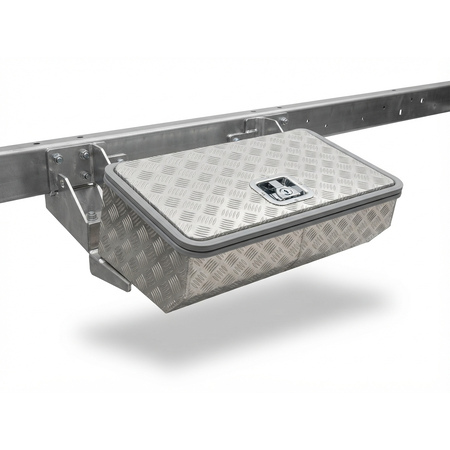
Checker plate aluminium is the standard choice for a reason. It's light enough to avoid eating significantly into payload capacity, resistant to rust even with constant exposure to rain and humidity, and the textured surface hides scuffs and scratches that accumulate from daily tool handling. For most tradesmen, this combination of durability and low maintenance makes checker plate aluminium the practical default.
Smooth Aluminium
Smooth-finish aluminium offers the same corrosion resistance as checker plate but without the raised texture. It tends to show scratches more visibly over time, which matters more for appearance than function, but some tradesmen prefer the cleaner look for client-facing work vehicles.
Steel
Steel undertray toolboxes are heavier but can offer higher resistance to impact damage, which matters for trades involving particularly heavy or sharp-edged tools. The downside is added weight, which eats into payload capacity, and a higher risk of corrosion unless the steel is properly treated and maintained.
For the majority of trades, aluminium checker plate represents the best balance between weight, durability, and low upkeep — which is why it dominates the undertray toolbox market for daily work vehicles.
Weight Capacity: The Number That Actually Matters
A toolbox's advertised weight capacity is one of the most important — and most commonly overlooked — specifications for tradesmen.
Matching Capacity to Actual Tool Weight
Trade tools add up fast. A set of power tools, hand tools, fasteners, and accessories can easily weigh more than expected once everything is loaded in. Choosing an undertray toolbox with a comfortable buffer above your actual daily tool weight avoids stressing hinges, latches, and mounting brackets over time.
Payload Capacity of the Vehicle
Beyond the toolbox's own rating, it's worth checking how much of the ute's total payload capacity the toolbox and its contents will consume. Tradesmen often carry additional materials, equipment, or a canopy on top of the toolbox itself, so leaving margin in the vehicle's overall payload is worth factoring into the decision.
Weight Distribution
An undertray toolbox loaded with heavy tools sits low and typically toward one section of the tray. Balancing this against other loaded equipment helps maintain stable handling, particularly for tradesmen regularly driving fully loaded vehicles between job sites.
Long-Term Structural Stress
Weight capacity ratings usually reflect a safe maximum under normal conditions, but tradesmen should also consider the cumulative stress of years of daily loading and unloading. Consistently loading a toolbox near its maximum rated capacity, day after day, tends to accelerate wear on hinges, mounting brackets, and the internal floor of the box itself. Leaving a reasonable buffer below the maximum rating, rather than treating it as a target to reach, tends to extend the toolbox's usable lifespan considerably.
Weatherproofing and Sealing
Since undertray toolboxes sit exposed beneath the vehicle, weather resistance is a genuine functional requirement rather than a nice-to-have feature.
Rubber Seals and Gaskets
A quality undertray toolbox typically includes a rubber seal around the lid to keep out rain, dust, and road grime. Over time, these seals can wear down, so it's worth checking how easily replacement seals are sourced for a given model before buying.
Drainage Considerations
Even well-sealed boxes can experience minor moisture buildup from condensation or humidity. Some designs include small drainage points to prevent water pooling inside, which helps protect tools from rust and corrosion over long-term use.
Dust Resistance
For tradesmen working in dusty environments — construction sites, rural areas, or unsealed roads — dust intrusion can be just as damaging to tools as moisture. A tight-fitting lid and quality seal reduce how much fine dust makes its way into stored equipment.
Lock and Hardware Durability
Trade tools represent a real financial investment, which makes lock quality a genuine priority rather than an afterthought.
Lock Mechanism Quality
Basic key locks are standard on most undertray toolboxes, but the quality of the underlying mechanism varies significantly between manufacturers. A lock that feels stiff or unreliable after light use is a warning sign of broader hardware quality issues throughout the box.
Hinge and Latch Durability
Given how often a trade toolbox gets opened and closed in a single day, hinges and latches need to hold up to repeated use without loosening or failing. Heavier-gauge hinges and stainless steel hardware generally outperform lighter alternatives over years of daily use.
Mounting Security
An undertray toolbox is only as secure as its mounting brackets. Bolted mounting points that distribute load across the tray's structure tend to hold up better over time than lighter clamp-based systems, particularly on rougher work sites or unsealed roads.
Sizing an Undertray Toolbox for Trade Equipment
Getting the size right matters more for tradesmen than casual users, since trade equipment tends to be bulkier and heavier on average.
Measuring Available Under-Tray Space
Ground clearance, chassis rails, and existing tray fittings all affect how much room is actually available for an undertray unit. Measuring this space accurately before comparing toolbox dimensions avoids ordering something that technically fits the tray listing but conflicts with the vehicle's actual underside layout.
Organizing for Trade-Specific Tools
Some undertray toolboxes include internal dividers or compartments suited to organizing smaller trade items — fasteners, connectors, or hand tools — separately from bulkier equipment. This kind of internal organization can matter as much as overall size for tradesmen who need to locate specific items quickly throughout the day.
Avoiding Oversized Boxes
A toolbox that's larger than necessary adds unnecessary weight and can reduce ground clearance more than needed, which matters for tradesmen working sites with uneven or unsealed access roads.
Comparing Undertray Toolbox Options Before You Buy
With several undertray toolbox options usually available for any given tray size, a structured comparison approach helps avoid decision fatigue and reduces the chance of buyer's remorse.
Reading Specifications Carefully
Listings for undertray toolboxes often highlight dimensions and price prominently, while weight capacity, seal quality, and hardware specifications get less attention. Tradesmen evaluating options should specifically look for these secondary details, since they tend to be the ones that determine how well a box performs after months of daily use rather than how it looks in a product photo.
Checking Warranty Coverage
Warranty length and terms can say a lot about how confident a manufacturer is in their own hardware. A toolbox backed by a solid warranty on both the body and the locking mechanism generally reflects better build quality than one with minimal or no coverage, since manufacturers are less willing to offer strong warranties on products likely to fail early.
Considering Total Cost Over Time
The cheapest undertray toolbox upfront isn't always the most cost-effective choice once maintenance, seal replacement, and potential early failure are factored in. For tradesmen using the box daily, spending a bit more on a unit with proven hardware durability often works out cheaper across the vehicle's ownership period than repeatedly replacing budget options.
Asking About Fitment Support
Since undertray toolboxes need to align correctly with tray structure and existing accessories, checking whether a supplier offers fitment guidance or installation support can prevent costly mistakes, particularly for tradesmen unfamiliar with their vehicle's exact under-tray dimensions.
Ground Clearance and Off-Road Considerations
For tradesmen who work sites accessible only by rough or unsealed roads, ground clearance becomes a real factor rather than a minor detail.
Undertray toolboxes sit lower than tray-mounted alternatives by design, which is part of what makes them space-efficient — but it also means they're more exposed to impact from uneven terrain, rocks, or deep ruts. Checking a toolbox's mounted height relative to the vehicle's standard ground clearance helps avoid unexpected damage on rougher job sites.
For trades that rarely leave sealed roads, this is less of a concern. For those regularly accessing rural, construction, or off-road sites, it's worth prioritizing undertray models designed with adequate clearance in mind.
Common Questions Tradesmen Ask Before Buying
A handful of practical questions come up repeatedly among tradesmen comparing undertray toolbox options.
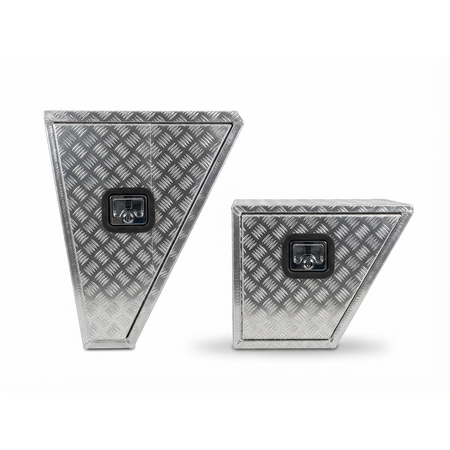
One frequent question is whether a single large undertray toolbox is better than two smaller units mounted on either side of the tray. The answer often comes down to organization preference — a single large box centralizes storage, while paired smaller units allow tools to be separated by type or job function, which some tradesmen find faster to work with.
Another common question involves how much maintenance an aluminium undertray toolbox actually needs. In practice, aluminium requires minimal upkeep beyond occasionally checking seals and lubricating hinges, which is part of why it remains the preferred material for daily trade use.
A third question relates to whether undertray toolboxes are compatible with other tray accessories like ladder racks or spare wheel carriers. Compatibility generally depends on the specific tray layout and available space, so checking measurements against all planned accessories before purchase helps avoid conflicts once everything is installed.
Conclusion
Finding the best undertray toolbox for tradesmen tools comes down to prioritizing the factors that matter for daily work use — durable aluminium construction, a weight rating with genuine margin above actual tool load, reliable weatherproofing, and hardware built to withstand constant opening and closing. Ground clearance and sizing deserve careful attention for anyone working sites beyond sealed roads, and lock quality shouldn't be an afterthought given the value of tools stored inside. A toolbox that checks these boxes will hold up to years of daily trade use, while one chosen on price or appearance alone often ends up needing early replacement once its limitations show up on the job.
FAQs
What material is best for an undertray toolbox used for trade tools? Aluminium checker plate is generally the best choice for tradesmen because it's lightweight, rust-resistant, and holds up well to daily scuffs and scratches from tool handling.
How much weight can a trade-grade undertray toolbox typically hold? This varies significantly by model, so it's important to check the manufacturer's rated capacity and compare it against the actual combined weight of your daily tool inventory, leaving a reasonable safety margin.
Do undertray toolboxes reduce ground clearance? Yes, since they mount beneath the tray, undertray units sit lower than tray-top alternatives. This matters most for tradesmen regularly accessing unsealed or rough job sites, where extra clearance may be worth prioritizing.
How do I keep tools protected from moisture in an undertray toolbox? Choosing a model with a quality rubber seal around the lid and checking for drainage features helps prevent moisture buildup that can lead to rust and tool damage over time.
Is it better to have one large undertray toolbox or two smaller ones? It depends on organizational preference. A single large box centralizes storage, while two smaller units mounted on either side of the tray can make it easier to separate tools by type or job function.