How to Maintain and Clean a Ute Tray
TL;DR
Learning how to maintain and clean a ute tray properly can add years to its life and keep it looking sharp. Regular washing, prompt rust checks, careful drying, and the right cleaning products are the foundation of good tray care. Whether you have an aluminium or steel ute tray, a simple routine done consistently will protect your investment far better than occasional deep cleans.
Quick Answer
To maintain and clean a ute tray, wash it regularly with mild soap and water, rinse off dirt, mud, and chemical residue promptly, and dry it thoroughly to prevent corrosion. Inspect welds, hinges, and drainage points every few weeks, and address scratches or rust spots early before they spread. Steel trays need extra attention to protective coatings, while aluminium trays mainly need regular rinsing to stay in top condition.
Introduction
A ute tray takes a beating. Between work sites, camping trips, and everyday driving, it's exposed to dirt, chemicals, sun, and moisture almost every day. Over time, this wear adds up, and without proper care, even a quality tray can start showing rust, fading, or structural issues sooner than it should.
Knowing how to maintain and clean a ute tray isn't complicated, but it does require consistency. A few simple habits, done regularly, can prevent costly repairs and keep your tray performing well for years.
This guide walks through practical, easy-to-follow steps for cleaning your ute tray, protecting it from corrosion, and spotting early warning signs of damage. Whether you're a tradie using your ute daily or a weekend adventurer, these tips will help you get the most out of your investment.
Why Regular Ute Tray Maintenance Matters
A ute tray isn't just a storage surface. It's a structural part of your vehicle that carries tools, equipment, and cargo under constant stress. Neglecting maintenance can lead to rust, weakened joints, and reduced load capacity over time.
Regular care also protects your resale value. A tray that's been well maintained looks newer, functions better, and gives buyers confidence when it's time to sell or upgrade your ute. On the other hand, a neglected tray with visible rust or damage can significantly lower what a buyer is willing to pay.
Beyond appearance, maintenance is also a safety issue. Corrosion can weaken mounting points, hinges, and load-bearing sections, which increases the risk of failure while driving or loading heavy items.
How to Clean a Ute Tray Step by Step
Start With a Rinse
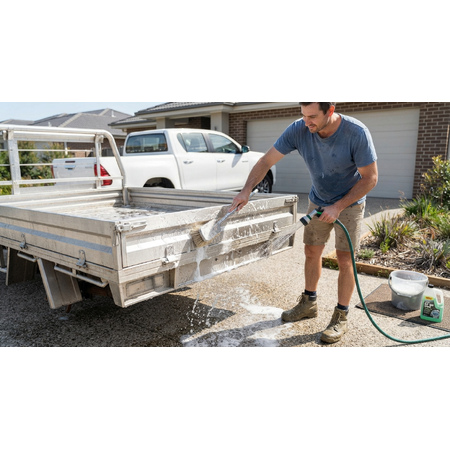
Before using any cleaning products, hose down the tray to remove loose dirt, mud, and debris. This step prevents grit from scratching the surface once you start scrubbing.
Use the Right Cleaning Solution
A mild detergent mixed with warm water is usually enough for regular cleaning. Avoid harsh chemicals, strong acids, or abrasive cleaners, as these can damage protective coatings on steel trays or dull the finish on aluminium trays.
Scrub Gently
Use a soft-bristle brush or sponge to clean the surface, paying close attention to corners, drain holes, and around hinges where dirt tends to build up. Avoid wire brushes or steel wool, which can scratch the surface and create entry points for corrosion.
Rinse Thoroughly
After scrubbing, rinse the entire tray thoroughly to remove all soap residue. Leftover detergent can attract dirt or leave streaks if it's not properly washed away.
Dry Completely
This step is often skipped, but it's one of the most important. Moisture trapped in corners, drainage points, or under fittings is a leading cause of corrosion. Use a clean cloth or allow the tray to air dry fully before covering it or parking undercover.
How to Maintain a Ute Tray Long-Term
Inspect Regularly for Rust and Damage
Set a routine, such as monthly checks, to look over your tray for early signs of rust, scratches, or loose fittings. Catching small issues early is far easier and cheaper than dealing with major repairs later.
Protect the Surface
For steel ute trays, applying a rust-inhibiting spray or touch-up paint on any exposed metal helps prevent corrosion from spreading. For aluminium ute trays, while rust isn't a concern, a protective wax or sealant can help maintain the finish and make future cleaning easier.
Keep Drainage Points Clear
Most ute trays have drainage holes to prevent water pooling. Check these regularly to ensure they aren't blocked by dirt or debris, since trapped water is one of the fastest ways to accelerate corrosion.
Wash Off Chemical Residue Promptly
If your work involves transporting chemicals, fertilisers, or salt-affected materials, rinse the tray as soon as possible after use. These substances can be highly corrosive if left sitting on the surface for extended periods.
Avoid Overloading
While this isn't strictly a cleaning tip, avoiding consistent overloading helps preserve the structural integrity of your tray. Excess weight can stress welds and joints over time, leading to premature wear that no amount of cleaning can fix.
Aluminium vs Steel Ute Tray Maintenance Differences
The maintenance approach can vary slightly depending on the material of your tray.
Aluminium ute trays are naturally resistant to rust, which makes maintenance simpler overall. Regular washing and occasional polishing are usually enough to keep them looking good and performing well.
Steel ute trays require more attention, as they are prone to rust if the protective coating is scratched or worn. Regular inspections, prompt touch-ups, and keeping the surface dry are essential for steel trays, particularly in humid or coastal regions.
Regardless of material, consistent cleaning and early damage detection remain the two most important habits for extending the life of any ute tray.
Common Mistakes to Avoid When Cleaning a Ute Tray
Many owners unintentionally shorten the life of their tray through avoidable mistakes. Using high-pressure water directly on hinges or seals can force moisture into areas that are difficult to dry, leading to hidden corrosion.
Skipping regular cleaning and only washing the tray occasionally allows dirt, chemicals, and salt to sit on the surface for longer, increasing the risk of damage. Similarly, ignoring small scratches or chips in the coating gives corrosion an easy entry point, especially on steel trays.
Another common mistake is using the wrong cleaning products, such as strong acidic cleaners, which can strip protective coatings and accelerate wear rather than prevent it.
Seasonal Maintenance Tips
Different seasons bring different challenges for ute tray maintenance. During wet or humid months, focus on drying the tray thoroughly after each wash and checking drainage points more frequently, since trapped moisture is more likely during this time.
In hot, dry conditions, dust and grit can build up quickly, so more frequent rinsing helps prevent scratching from accumulated debris. If you're near the coast, salt air exposure means rust prevention should be a higher priority year-round, particularly for steel trays.
Adjusting your maintenance routine slightly based on the season and your local environment will help keep your tray in the best possible condition throughout the year.
Choosing the Right Cleaning Tools and Products
Having the right equipment on hand makes ute tray maintenance faster and more effective. A soft-bristle brush, a bucket of warm soapy water, and a hose with adjustable pressure are the basics most owners need for a standard clean.
For tougher grime, a pH-neutral automotive cleaner is a safer choice than household detergents, which can sometimes be too harsh for painted or coated surfaces. If your ute tray has a checker plate finish, a soft cloth or microfibre towel works well for wiping down flat sections without leaving scratches.
It's also worth keeping a small rust-inhibiting spray or touch-up paint in your toolkit if you have a steel tray. Applying this to small chips or scratches as soon as you spot them is far more effective than waiting until rust has already started to spread.
For aluminium trays, a dedicated aluminium polish can help maintain the brushed or mill finish, keeping the surface looking clean and reducing the chance of oxidation stains building up over time.
How Ute Tray Design Affects Maintenance Needs
The design and configuration of your ute tray can also influence how much maintenance it needs. Trays with built-in toolboxes, drawers, or headboards have more moving parts, hinges, and seals, which means more areas that require regular checking and cleaning.
Flat trays with fewer attachments are generally simpler to maintain, since there are fewer joints and recesses where dirt, moisture, or debris can accumulate. However, they may offer less structured storage, which is a trade-off many tradies weigh against ease of maintenance.
Drop-side trays and trundle drawer systems, while highly functional, benefit from more frequent lubrication of moving parts to keep hinges and slides working smoothly. Adding a small amount of silicone-based lubricant to hinges and drawer runners every few months can prevent stiffness and reduce wear on these components.
Understanding your specific tray's design helps you tailor a maintenance routine that addresses its particular weak points, rather than relying on a generic one-size-fits-all approach.
When to Call in a Professional
While most ute tray maintenance can be handled at home, some issues are best left to professionals. If you notice deep rust that has penetrated beyond the surface, cracked welds, or structural flexing under normal loads, it's time to have the tray assessed by a specialist.
Attempting to repair significant structural damage yourself can compromise the tray's safety and load-bearing capacity. A qualified fabricator or ute tray specialist can properly assess the extent of the damage and recommend whether a repair or replacement is the safer option.
Similarly, if your tray's coating has worn away extensively or the aluminium finish has developed persistent oxidation that home cleaning can't remove, professional refinishing or recoating services can restore both its appearance and its protective qualities. Investing in professional help when needed ultimately protects your tray's long-term value and your safety on the road.
Conclusion
Learning how to maintain and clean a ute tray properly doesn't take much time, but the payoff is significant. A consistent routine of washing, drying, and inspecting your tray helps prevent rust, preserves its appearance, and protects your investment for years to come.
Whether you have an aluminium or steel ute tray, the basic principles remain the same: clean regularly, dry thoroughly, and address small issues before they become bigger problems. Following these simple habits will keep your ute tray performing reliably, no matter how hard you work it.
Frequently Asked Questions
How often should I clean my ute tray? It's best to wash your ute tray at least once every one to two weeks, or immediately after exposure to mud, chemicals, or salt water, to prevent buildup and reduce the risk of corrosion.
Can I use a pressure washer on my ute tray? Yes, but use it carefully. Avoid pointing high-pressure water directly at hinges, seals, or joints, as this can force moisture into areas that are difficult to dry properly.
Do aluminium ute trays need less maintenance than steel ones? Yes, aluminium ute trays are naturally rust-resistant, so they generally require less maintenance compared to steel trays, which need regular rust prevention and coating checks.
What causes rust on a ute tray? Rust typically develops when moisture, salt, or chemicals remain on exposed or scratched metal surfaces for extended periods without being cleaned or dried properly.
How can I tell if my ute tray needs repair? Look for visible rust, cracked welds, loose fittings, or difficulty opening and closing drawers or hinges. If you notice any of these signs, it's best to have the tray inspected before the issue worsens.