Ute Tray and Canopy: The Complete Buyer's Guide for Australian Ute Owners
TL;DR
A ute tray and canopy turns a standard ute into a secure, organised work or touring vehicle. The tray gives you a flat, strong load deck, and the canopy adds a lockable, weather-resistant storage space on top. The right setup depends on your cab type, payload, daily use and budget. This guide explains the options, the weight considerations, and the mistakes worth avoiding.
Quick Answer
A ute tray and canopy is a two-part conversion that replaces the factory tub with a flat aluminium or steel tray, then adds a canopy over it. The tray carries loads and often includes under-tray toolboxes. The canopy encloses the deck with lockable doors, protecting tools and gear from weather and theft. Most owners choose aluminium because it is lighter and resists rust. Always check your vehicle's payload and local modification rules before buying.
Introduction
Most utes leave the factory with a tub that suits a bit of everything but nothing in particular. It holds a few bags, a bike or some firewood. It does not keep tools dry, organised or safe overnight.
That gap is why the ute tray and canopy combination has become so common on Australian roads. Tradies, farmers, campers and weekend adventurers all use it to get more from the same vehicle.
Choosing a setup is not as simple as picking the biggest box. Weight, fitment, access and security all matter, and a poor choice can cost you payload, fuel and patience.
In this guide, you will learn what a ute tray and canopy actually involves, how the main types differ, and how to match a setup to your ute and your work. You will also find notes on materials, accessories, costs and common mistakes.
What Is a Ute Tray and Canopy?
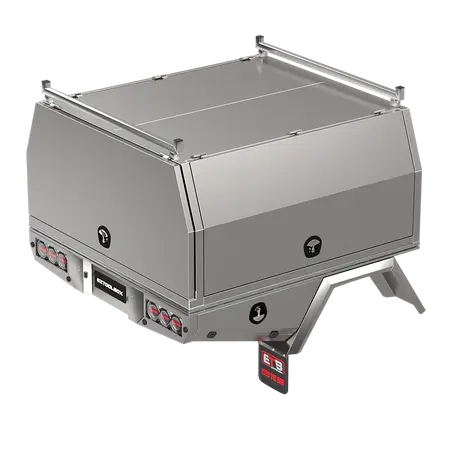
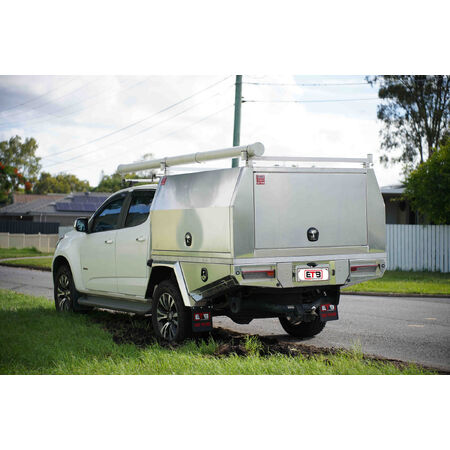
A ute tray and canopy is a combined storage and load-carrying system that sits on the chassis of a ute in place of the original tub. It has two main parts that work together.
Think of the tray as the foundation and the canopy as the building on top. Each can be bought separately, but they are usually designed to fit as a pair.
The tray
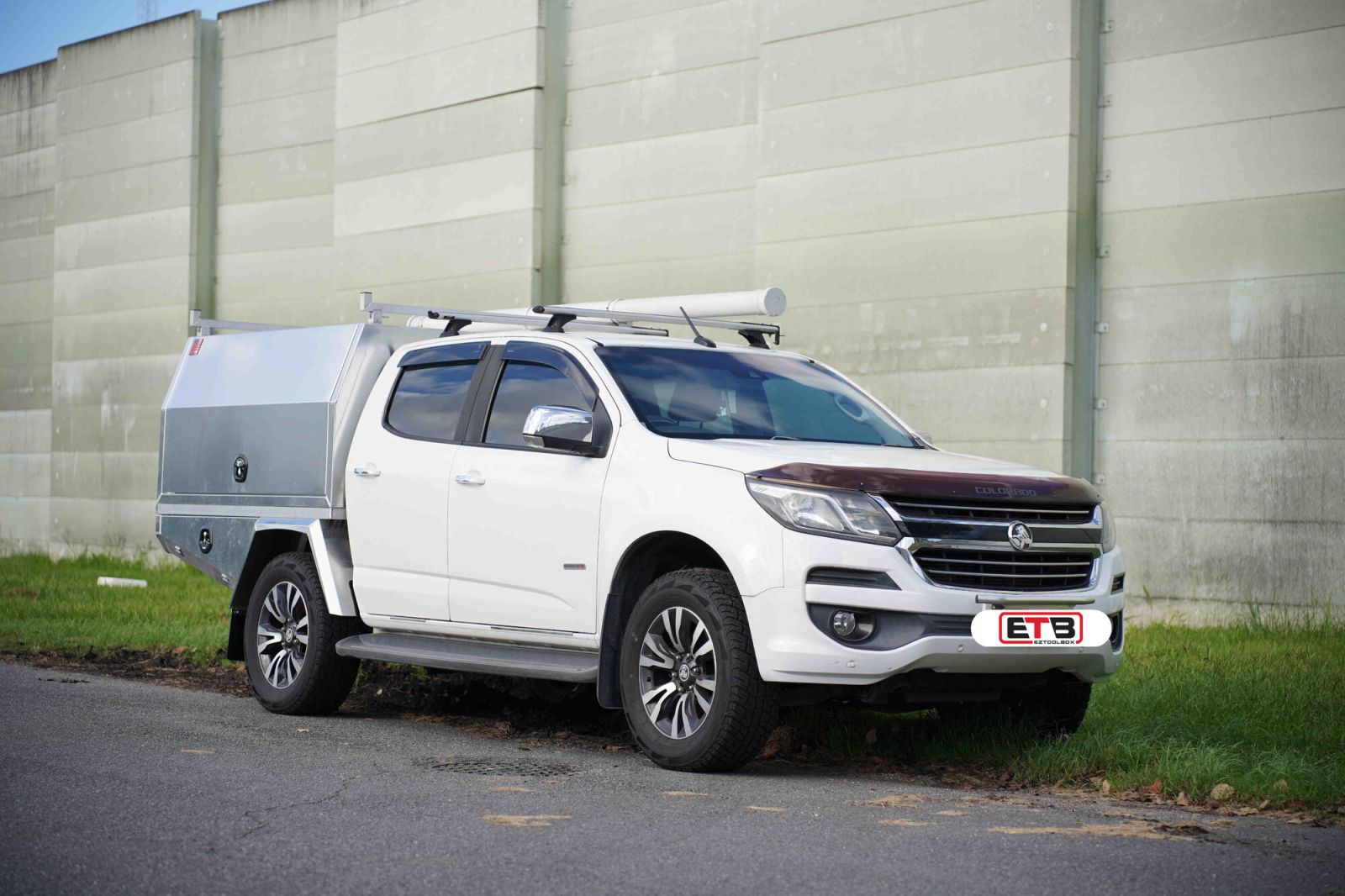
The tray is a flat deck bolted or mounted to the ute's chassis rails. It replaces the tub, so the load area becomes flatter, wider at the rear and easier to load.
Many trays include space underneath for toolboxes, a headboard behind the cab and drop sides or fixed sides. The deck itself is typically made from checker plate or flat sheet.
The canopy
The canopy is an enclosed box that sits on the tray. It usually has a hinged rear door and side doors, and it locks to keep contents secure.
Canopies range from low-profile designs that suit light loads to tall, full-height versions with drawers, shelves and room for a fridge.
How the two work together
A ute tray and canopy works best when the pair is designed or measured to match. The canopy's footprint should sit within the tray deck, and the mounting method should spread weight sensibly across the chassis.
When the two are made by the same supplier, fitment problems are usually easier to avoid.
Why Swap the Tub for a Ute Tray and Canopy?
The tub is cheap and convenient, but it has limits. Understanding those limits helps explain why so many owners upgrade.
More usable space
A tub has wheel arches that cut into the load area. A flat tray gives you a full, even deck, and the space under it can hold toolboxes or other storage.
That extra room often makes the difference between a tidy setup and a pile of loose gear.
Better security
Tools are expensive, and a visible tub is an easy target. A canopy with proper locks keeps gear out of sight and makes theft harder.
No storage is theft-proof, but a lockable enclosure is a strong deterrent compared with an open tub.
Weather protection
Rain, dust and sun are hard on tools, camping gear and paperwork. A well-sealed canopy keeps contents drier and cleaner, though sealing quality varies between products.
Organisation and speed
A ute tray and canopy with drawers, shelves and dividers lets you find things quickly. For a tradie, that saves minutes on every job, and those minutes add up.
Resale and presentation
A neat, well-fitted ute tray and canopy can improve a ute's appearance and usefulness. It is not a guaranteed resale boost, but a professional fit-out is usually easier to sell than a worn tub.
Types of Ute Trays
Before looking at canopies, it helps to understand the tray, because everything sits on it.
Flat deck trays
A flat deck tray is a simple platform with a headboard and sometimes drop sides. It is light, versatile and a popular base for a canopy.
Drop-side trays
Drop sides fold down so you can load from the edges. They suit tradies who handle pipes, timber or bulky items.
If you plan to fit a canopy, check how the sides interact with it, since fixed or removable sides may be needed.
Tapered or stepped trays
Some trays are narrower at the rear, which improves the departure angle and gives a sportier look. They suit off-road use, though a narrower deck means less room for wide loads.
Trays with under-tray toolboxes
Under-tray toolboxes use the space between the chassis rails and the deck. They store straps, jacks, compressors and other small gear without taking up deck space.
Many buyers ask for a ute tray and canopy package that includes these boxes from the start, because retrofitting can be harder.
Choosing the right tray length
Tray length should match your wheelbase and cab style. A longer tray gives more space, but it also affects turning, rear overhang and weight distribution.
Measure carefully, and confirm the dimensions with the supplier before ordering.
Types of Canopies for Utes
Canopies vary more than trays do. The right one depends on how you use your ute.
Full-height canopies
A full-height canopy covers the whole deck and often rises to or above cab height. It gives the most enclosed space, which suits tradies and campers who carry a lot.
The trade-off is extra weight and more wind resistance.
Low-profile and 1000 mm high canopies
Lower canopies keep a smaller profile. They are easier on fuel and handling, and they are better if you want a clear rear view or need to park in height-restricted spaces.
They hold less, so they suit people who carry fewer or smaller items.
Part-tray canopies
A part-tray canopy covers only part of the deck. You get an enclosed storage area plus an open section for loads that will not fit inside.
This design works well if you carry both tools and long or bulky items.
Dual cab, extra cab and single cab canopies
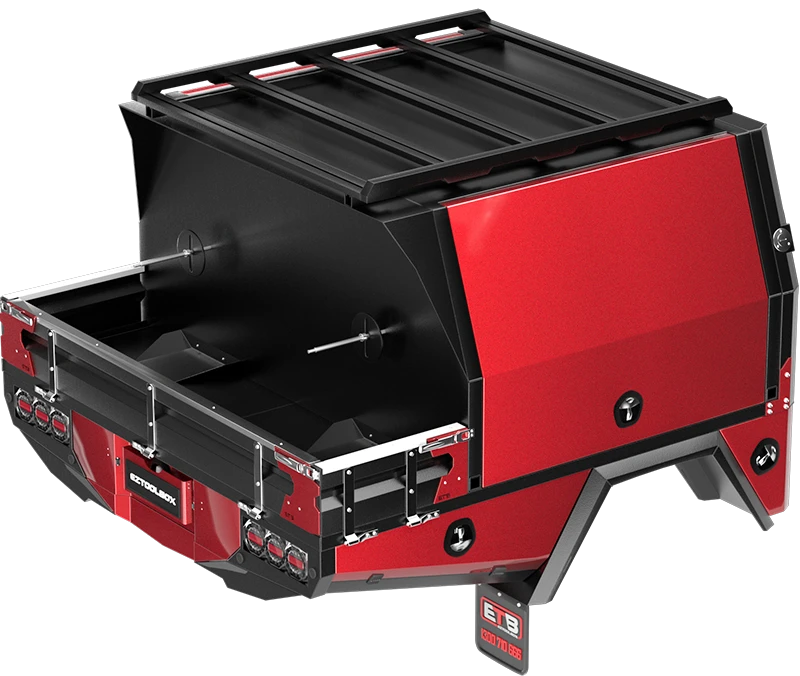
Canopies are sized to the cab type because tray lengths differ. A dual cab has a shorter tray than a single cab, so a dual cab canopy is typically shorter.
Matching the canopy to the cab prevents poor fit and wasted space.
Chassis-mount canopies
A chassis-mount canopy is built directly onto the chassis rather than sitting on a tray. It can work like a service body, with a flat roof and integrated storage.
It is a different approach from a standard ute tray and canopy combination, and it often suits heavier commercial use.
Tub canopies
A tub canopy fits over the existing tub, so you keep the factory bed. It is usually cheaper and easier to fit, but you lose the wider deck and the under-tray storage that a tray offers.
Aluminium vs Steel for a Ute Tray and Canopy
Material choice affects weight, durability and price. Both aluminium and steel have a place.
Aluminium is much lighter than steel for the same size. It also resists rust naturally, which helps in coastal areas and wet climates.
Steel is generally tougher against heavy impact and can be cheaper. It is also easier to weld in the field, but it needs good coatings to prevent rust.
| Factor | Aluminium | Steel |
|---|---|---|
| Weight | Lighter | Heavier |
| Corrosion | Naturally resistant | Needs protective coatings |
| Impact toughness | Good, but can dent | Generally stronger |
| Typical cost | Often higher upfront | Often lower upfront |
| Best for | Payload-sensitive, touring, coastal | Heavy commercial, rough use |
For most modern dual cabs, weight is the deciding factor. Because payload is limited, saving weight with aluminium can leave more capacity for tools, water and gear.
That said, the best material depends on how you use the vehicle, not on a general rule.
Payload and Weight: The Most Important Limit
Weight is where many buyers run into trouble, so this section deserves attention.
Every ute has a Gross Vehicle Mass, or GVM, which is the maximum the vehicle can weigh when fully loaded. Payload is what remains after you subtract the vehicle's own weight.
A tray, a canopy and everything inside them all count against that payload. Add passengers, fuel and accessories, and the margin shrinks quickly.
Why this matters
Overloading is a safety and legal issue. It can affect braking, handling and tyre wear, and it may cause problems with insurance or compliance.
A heavy canopy full of tools can use up a large share of a dual cab's payload before you even load the deck.
Weigh before you buy
Check your ute's published GVM and tare weight, then add up the planned weight of the tray, canopy, toolboxes, accessories and typical gear. If the numbers look tight, consider lighter materials or a smaller canopy.
Many owners visit a weighbridge after fit-out to see real figures. That is a sensible habit.
Weight distribution
Where the weight sits matters as well as how much there is. Heavy items placed high or far back can affect handling and rear axle load.
Keeping heavy gear low and close to the rear axle is generally better. For specific limits, check your vehicle manual and speak with a qualified installer.
Modification rules
Australian states and territories have their own rules for vehicle modifications, and a tray or canopy can fall under them. Requirements can vary, so check with your state road authority or a qualified professional before fitting.
Features and Accessories Worth Considering
A bare ute tray and canopy is useful, but accessories shape how well it works day to day.
Drawers and slides
Drawers make heavy tools easier to reach and keep them from sliding around. Fridge slides do the same for camping gear.
Suspended shelves
A shelf mounted inside the canopy creates a second level of storage. It suits lighter items and keeps the floor clear for bulky gear.
Roof racks
Roof racks carry ladders, kayaks and long materials. Check the load rating of both the canopy roof and the rack, since limits differ between designs.
Jerry can holders and spare wheel carriers
These keep fuel and spare tyres off the deck. They are popular with touring and rural users, though they add weight at the rear.
Lighting and 12V power
Interior lights and a 12V system make a canopy more practical at night. A deep-cycle battery or portable power station can run a fridge, lights or tools.
Electrical work should be done by a qualified person, as incorrect wiring can be a fire and safety risk.
Locks and security
Good locks, strong hinges and secure seals protect contents. Some owners also add alarms for extra peace of mind.
Jack-off legs
Jack-off legs let you remove the canopy and store it. They are useful if you want to use the ute with a clear tray at times, though lifting a canopy needs care and the right equipment.
How to Match a Ute Tray and Canopy to Your Needs
The best setup depends on what you do with the vehicle. Here are a few common scenarios.
The tradie
A tradie needs fast access, secure storage and enough space for tools and materials. A ute tray and canopy with side doors, drawers and a roof rack is a common choice.
Consider a part-tray canopy if you often carry long items.
The farmer or rural worker
Rural users deal with dust, rough tracks and varied loads. A sturdy tray with under-tray toolboxes and a durable canopy suits mixed work.
Easy-clean surfaces and strong seals are worth having.
The camper and tourer
Touring needs space, weight control and power. A lighter aluminium ute tray and canopy with a fridge slide, drawers and a 12V system suits remote trips.
Keep payload in mind, since water, fuel and gear add up fast.
The weekend user
If you use your ute mostly for the family and the odd job, a simpler setup may be enough. A tub canopy or a low-profile canopy can add security without the expense of a full conversion.
Fitment: What to Check Before You Order
Poor fitment is one of the most common sources of regret. A few checks reduce the risk.
Know your ute
Note the make, model, year, cab type and wheelbase. Different models have different chassis widths and mounting points.
Measure the space
Confirm tray length and width, the clear space behind the cab and the position of the rear lights and tow bar. Even a small mismatch can cause trouble.
Think about the tow bar and rear accessories
A tow bar, a bike rack or a rear step can interfere with the canopy door or tray design. Mention these when you enquire.
Ask about mounting
The mounting method should spread loads across the chassis and follow the supplier's guidance. Mounting is not a task to improvise, so use an experienced installer if you are unsure.
Consider a custom build
If your ute or needs are unusual, a custom ute tray and canopy can solve problems that standard sizes cannot. Custom work takes longer and costs more, but it can fit odd dimensions and special fit-outs.
Ute Tray and Canopy vs Other Options
Before committing, compare the setup with the main alternatives.
| Option | Strengths | Limits |
|---|---|---|
| Ute tray and canopy | Flat deck, under-tray storage, secure enclosure | Higher cost, adds weight |
| Tub canopy | Lower cost, keeps factory tub | Less space, wheel arches intrude |
| Service body | Very high storage, built for trade | Heavy, higher cost |
| Open tray only | Light, simple | No weather or security protection |
A ute tray and canopy sits in the middle. It offers much more flexibility than a tub canopy, with less bulk than a service body.
If you rarely need the extra storage, a simpler option may be a better fit. If you work from your ute every day, the tray and canopy approach usually pays off.
Common Mistakes to Avoid
Most problems come from a short list of errors.
One is ignoring payload. A canopy that looks right can use up much of your capacity once it is loaded.
Another is buying on price alone. Cheap products can have weak welds, poor sealing or thin material, and fixing those problems later often costs more.
A third is choosing a canopy that is too tall or too heavy for the job. Extra height means extra wind drag and a higher centre of gravity.
A fourth is skipping measurements. A canopy that overhangs the tray or clashes with the tow bar is a frustrating mistake.
A fifth is forgetting local rules. Modification requirements differ across Australia, and non-compliant work can cause insurance and registration issues.
Finally, many people leave accessories until after the build. Planning drawers, shelves and power from the start usually gives a cleaner result.
Caring for Your Ute Tray and Canopy
A little maintenance extends the life of the setup.
Wash off dirt, salt and mud regularly, especially after beach or off-road trips. Check door seals for wear, as worn seals let dust and water inside.
Lubricate hinges and locks occasionally, and inspect the mounting hardware for looseness. Vibration on rough roads can work fittings loose over time.
Look over the finish as well. Scratches in powder coating or paint can be touched up before corrosion starts, particularly on steel.
If you notice cracks, loose mounts or unusual noises, have the setup inspected by a professional.
What Affects the Cost of a Ute Tray and Canopy?
Prices vary widely, so it is better to understand the factors than to chase a single number.
Material is a big one. Aluminium often costs more upfront than steel, though it can reduce weight.
Size and design matter too. A larger, taller or more complex canopy needs more material and labour.
Accessories add up. Drawers, slides, shelves, racks and 12V systems can each make a noticeable difference to the final price.
Finish and colour matching also affect cost. Powder coating or paint to match the ute takes extra work.
Installation is another line item. Professional fitting costs money, but it can prevent fitment and safety problems.
Finally, finance options may be available through some suppliers. Read the terms carefully, and compare the total cost rather than just the weekly payment.
Conclusion
A well-chosen ute tray and canopy can turn an ordinary ute into a safer, tidier and more capable vehicle. The tray provides a strong, flat base, and the canopy adds secure, weather-resistant storage.
The best results come from planning. Start with how you use the ute, then check payload, cab type and fitment before you look at features. Material, size and accessories should follow those basics, not lead them.
Take your time, ask suppliers detailed questions and look at real examples of their work. A thoughtful choice now saves money and frustration later, and gives you a setup that suits your work for years.
Frequently Asked Questions
What is the difference between a ute tray and a canopy?
A tray is the flat deck that replaces the tub, while a canopy is an enclosed box fitted on top of it. The tray carries loads, and the canopy protects and secures the contents.
Is a ute tray and canopy better than a tub canopy?
It depends on your needs. A ute tray and canopy offers a flatter deck and under-tray storage, while a tub canopy is cheaper and keeps the factory tub. Heavy daily users often prefer the tray option.
Is aluminium better than steel for a ute tray and canopy?
Aluminium is lighter and naturally resists rust, which helps preserve payload. Steel is often tougher and cheaper. The better choice depends on your weight limits, budget and how you use the ute.
How much weight can a ute tray and canopy carry?
It depends on your ute's payload, the weight of the tray and canopy, and the load rating of each part. Check your vehicle's GVM and consult the supplier or a qualified professional before loading.
Do I need approval to fit a ute tray and canopy in Australia?
Rules differ between states and territories, and some modifications may need approval or compliance checks. Contact your state road authority or a qualified installer to confirm what applies to your ute.